
Managing technology in a big company can feel like fighting chaos. Teams often use separate spreadsheets to keep track of their equipment. But, using a Hardware lifecycle ERP can change this.
This system connects financial planning with physical inventory. It makes managing your devices easier. You can track every device from when you buy it to when you get rid of it.
For today’s businesses, using an IT asset management ERP is essential. It helps keep your operations running smoothly and cuts down on waste. By keeping a close eye on your tech, you can get the most out of it.
Key Takeaways
- Centralizing data eliminates the need for manual tracking and reduces human error.
- Integrating systems provides a clear view of equipment from acquisition to retirement.
- Maintaining a single source of truth improves financial accuracy across departments.
- Proactive management helps organizations avoid unexpected downtime and security risks.
- Strategic oversight ensures that technology investments align with long-term business goals.
Understanding Hardware Lifecycle Management
We see hardware lifecycle management as key to modern IT. It oversees every part of an asset’s life, making sure tech investments pay off. This way, our tech helps the company grow.
This method keeps us in the loop about our tech setup. It changes how we manage complex systems in different parts of the world.
What is Hardware Lifecycle Management?
It’s about the whole life of an IT asset. It starts with strategic planning and goes through buying, setting up, keeping up, and ending its life.
To handle these steps well, we use hardware lifecycle software. This tool is like a central office, giving us the info we need to track assets from start to finish.
Without these tools, keeping track of hardware in a big company is hard. Consistency and accuracy come from using these digital helpers every day.
Importance of Lifecycle Management for IT Assets
Managing IT assets ahead of time stops them from failing early. We watch over our devices’ health and age. This way, we can swap them out before they mess up important work.
This method also helps us optimize the total cost of ownership. Regular upkeep makes our gear last longer, saving us money on new tech.
Knowing these steps helps us match our IT plans with the company’s goals. We make sure every tech dollar supports our future success and keeps things running smoothly.
Key Components of Hardware Lifecycle ERP
An effective ERP-based asset management framework has three key pillars. These pillars govern the life of your hardware. By integrating these processes into one system, we get total visibility over our infrastructure.
This approach ensures every device is tracked from request to retirement. It’s a way to keep everything in check.
Procurement and Acquisition Processes
Streamlined tech procurement workflows are key for efficiency. Automating these requests in our ERP cuts down on lead times and errors. This makes sure all new hardware meets our security standards.
Centralizing our purchasing data helps us negotiate better with vendors. We can track orders in real-time. This planning helps us budget better and buy hardware that fits our future plans.
Asset Deployment Strategies
Standardized deployment strategies are crucial to keep our systems consistent. Our ERP automatically applies uniform images and security policies to new devices. This consistency means every workstation or server is ready to go right away.
- Automated provisioning of software and security patches.
- Centralized tracking of hardware assignments to specific departments.
- Immediate validation of device compliance with internal security protocols.
Maintenance and Support Procedures
Proactive maintenance extends the life of our critical infrastructure. We schedule automated alerts for updates and check-ups. This minimizes downtime and keeps our enterprise IT inventory up to date.
Our ERP is the single source of truth for maintenance logs and support tickets. This data helps us spot failing hardware early. It lets us decide when to repair or replace equipment wisely.
The Role of ERP in Asset Tracking
Adding hardware tracking to your software system changes how you handle physical assets. It brings all data together, ending the problem of wrong reports and missed maintenance. A strong IT asset management ERP makes sure every piece of hardware is tracked from start to finish.
Integration of Hardware Management in ERP Systems
Putting asset tracking into your ERP software makes everything connected. This tech link helps teams like procurement, finance, and IT talk better. With a fully integrated IT asset management ERP, mistakes from typing in data by hand go down a lot.
This way, everyone sees the status, location, and who’s using the hardware right away. No more lost time searching for equipment. Centralized visibility is key to a modern, efficient setup.
Benefits of ERP for Tracking Asset Lifecycles
Using an IT asset management ERP lets managers make smart choices about when to update or replace hardware. We can see how old and how well devices are working to know when it’s time for a new one. This way, we avoid sudden stops and make the most of our money.
The main benefits are:
- Real-time visibility into hardware health and location.
- Automated alerts for maintenance and end-of-life cycles.
- Improved accuracy in financial reporting and asset depreciation.
- Enhanced security through better tracking of user assignments.
In the end, this control helps your company get the most out of every piece of hardware. By using an IT asset management ERP, we turn data into useful information that helps your business grow over time.
Challenges in Managing Hardware Lifecycles
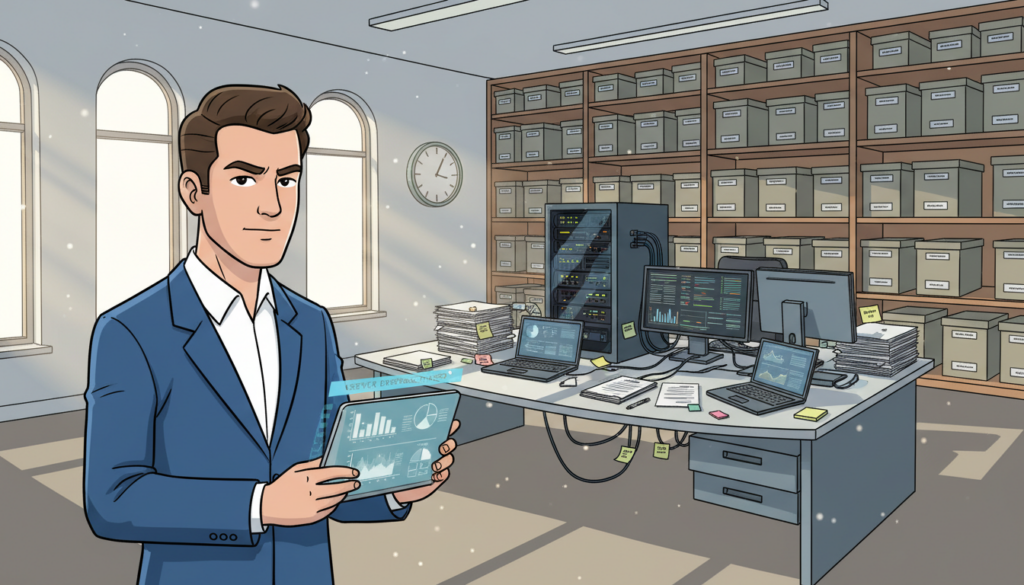
Managing hardware lifecycles is like trying to solve a big puzzle. As companies grow, they face many challenges. These include data problems and mistakes made when entering information by hand.
Common Issues in Asset Tracking
One big problem is not knowing the value of assets over time. Without good depreciation tracking, financial reports are not reliable. This can lead to wrong information on balance sheets and poor use of money.
IT teams struggle with manual data entry. Using old systems or spreadsheets leads to inconsistent data. This makes it hard to keep accurate records. Such mistakes can affect many areas, from buying new equipment to getting rid of old stuff.
Mitigation Strategies for Lifecycle Challenges
To solve these problems, we suggest using automated tools. These tools help track assets in real-time, reducing errors. They also help leaders decide when to update or replace old equipment.
Regular checks are key to keeping data right. Audits help find and fix problems early. This keeps your ERP system useful for planning ahead.
| Feature | Manual Tracking | Automated ERP Tracking |
|---|---|---|
| Data Accuracy | Low (High Error Rate) | High (Real-time) |
| Depreciation Tracking | Reactive/Manual | Automated/Dynamic |
| Operational Cost | High (Labor Intensive) | Low (Scalable) |
| Audit Readiness | Poor | Excellent |
Streamlining Inventory Management
Managing a complex enterprise IT inventory is more than just using spreadsheets. We need advanced digital tools to track every piece of hardware. This ensures we know what we have from start to finish. Moving away from old tracking methods gives us the clear view we need to improve our setup.
Real-time Inventory Tracking Methods
Today’s companies use automated tracking to keep their assets in sync. By linking these tools to our ERP system, we get instant updates on any changes. Here are some ways to boost your enterprise IT inventory accuracy:
- RFID Tagging: Allows for scanning hardware over long distances without a direct view.
- Barcode Integration: Offers a budget-friendly and dependable way to track assets during setup or upkeep.
- Automated ERP Syncing: Keeps the database up-to-date with every scan, cutting down on entry mistakes.
Techniques for Accurate Asset Audits
Regular audits are key to checking if our digital records match the real world. We focus on data integrity by doing scans that don’t disrupt work. This way, we catch any issues early on.
To make your audits more effective, try these methods:
- Cycle Counting: Do smaller counts of specific items throughout the year instead of one big audit.
- Exception Reporting: Use your ERP to highlight any unscanned or unverified assets.
- Continuous Monitoring: Set up alerts for the IT team when a device is moved or disconnected.
By keeping a tight enterprise IT inventory, we make sure our hardware management is both quick and safe. These steps help lower downtime and give us the data we need for smart decisions across the company.
Ensuring Compliance and Security
Hardware management is more than just making things work better. It’s a key part of keeping our organization safe and following the rules. We watch over our IT assets from start to finish, always on the lookout for threats.
By making these steps a regular part of our work, we keep our business safe from online and money risks.
Regulatory Compliance Considerations
Following strict privacy rules is a must for today’s companies. We use our ERP systems to keep track of all our assets. This makes it easier to get ready for audits.
Keeping accurate records of depreciation tracking helps us stay clear with our finances. This meets the needs of tax authorities and our own auditors.
Tracking the value of our hardware helps avoid mistakes in financial reports. This precision keeps us in line with laws at all levels. Automating these records cuts down on mistakes during financial checks.
Security Risks in Hardware Lifecycle Management
The biggest danger to our data happens when we get rid of old hardware. If we don’t wipe it clean, our secrets could be stolen. We use secure data wiping to make sure no one can get to our data.
Our security plan starts when we buy new hardware and goes all the way to when we get rid of it. We make sure all old hardware is properly destroyed or wiped. This proactive approach keeps our secrets safe from prying eyes.
Benefits of Implementing Hardware Lifecycle ERP
Using a dedicated platform for hardware oversight boosts performance. It moves away from manual tracking. This gives teams a clear view of their technology investments.
It helps them align IT with corporate goals. This is a big step forward.
Cost Reduction and Efficiency Gains
A strong Hardware lifecycle ERP cuts down on redundant purchases. It helps us see what we already have. This way, we don’t buy things we already own.
This proactive approach makes sure every asset is used well. It saves money by avoiding unnecessary spending.
It also makes operations more efficient. Maintenance schedules are automated. This means we can track hardware health in real-time.
It prevents costly downtime. IT departments save time. They can focus on innovation, not just managing inventory.
Enhanced Decision-Making with Real-time Data
Real-time data helps leaders make better choices. They no longer guess when to upgrade or retire assets. They use exact metrics for planning.
Depreciation tracking is key. It helps finance teams plan for the future. By tracking asset value, we can predict when to replace them.
This insight makes our Hardware lifecycle ERP crucial. It helps with depreciation tracking and smarter investments. It’s a big win for the whole company.
Evaluating ERP Solutions for Hardware Management
Finding the right hardware lifecycle software is key. It’s the core of your IT setup, tracking devices from start to end. This ensures every gadget is managed well.

Key Features to Look For
Start by looking for seamless scalability. Your business will grow, and your tools must keep up. They should handle more assets without slowing down.
It’s also important for the system to work well with your current financial and procurement systems. This makes tech procurement smoother. Look for dashboards that give you useful data on asset costs and maintenance.
“The most successful organizations treat their IT asset management software not as a static database, but as a dynamic engine for operational intelligence.”
Comparing Popular ERP Software Options
When comparing vendors, use a scorecard. It helps you see how each fits your needs. Look at the user interface, support, and customization options for tech procurement.
The table below shows how top solutions stack up in key areas for managing your hardware lifecycle.
| Software Provider | Scalability | Integration Depth | Reporting Tools |
|---|---|---|---|
| SAP S/4HANA | High | Excellent | Advanced |
| Oracle NetSuite | High | Strong | Comprehensive |
| Microsoft Dynamics 365 | Medium-High | Excellent | Robust |
| Infor CloudSuite | Medium | Good | Standard |
The best choice depends on your business’s path. Focus on these features to make sure your investment pays off in the long run.
Best Practices for Effective Asset Management
We think the real value of an IT asset management ERP comes from strict policies. Technology works best when supported by solid processes and people. By setting standards, we track every device from start to end.
Establishing Clear Policies and Protocols
To keep control over our hardware, we document every lifecycle stage. Clear rules help us avoid mistakes in tech procurement. They also make sure every asset is in our database. When policies are clear, everyone knows their part in managing hardware.
Here are key protocols to keep standards high:
- Standardize tech procurement requests to ensure all hardware meets company security requirements.
- Define clear ownership for every asset from the moment it is assigned to a user.
- Establish automated alerts for maintenance cycles to prevent unexpected hardware failures.
- Create a formal retirement process that includes secure data wiping and environmental disposal.
Regular Training for Staff on ERP Systems
Even the best IT asset management ERP fails without skilled staff. We focus on ongoing education to keep our team up-to-date. This culture of learning protects our tech investments.
Regular training sessions help us tackle knowledge gaps early. By investing in our people, we keep data accurate and manage hardware well. We encourage all departments to join quarterly workshops to improve skills and share system feedback.
The Future of Hardware Lifecycle Management
The world of IT asset management is changing fast. New technologies are making old ways of tracking hardware outdated. Now, using a strong Hardware lifecycle ERP is key for businesses to stay ahead.
Trends Affecting IT Asset Management
New trends are changing how companies see their hardware. They now focus on sustainability and long-term value more than just buying new stuff. This is leading to more use of circular economy models, where old hardware is fixed, reused, or recycled.
Some big trends in the field are:
- Sustainable IT practices: Trying to cut down on electronic waste by planning better.
- Circular economy integration: Making assets last longer to get more value from them.
- Remote asset visibility: Using cloud tools to keep an eye on hardware from anywhere.
Innovations in ERP Technologies
New Hardware lifecycle ERP systems use AI and machine learning for better insights. These tools go beyond just keeping records. They can predict when a device might fail, based on past data.
These new techs bring big benefits for businesses:
- Automated predictive maintenance: Fixing things before they break, based on how they’re doing now.
- Advanced demand forecasting: Guessing what hardware you’ll need next to improve buying.
- Enhanced data accuracy: Cutting down on mistakes by automating updates across teams.
It’s important to stay up-to-date with these techs. Leaders should look into Hardware lifecycle ERP solutions. By doing this, your company will be ready for the future’s challenges.
Case Studies: Successful Hardware Lifecycle Implementations
Companies that focus on the whole lifecycle of their assets do better than others. They use hardware lifecycle software to improve their IT operations. This shows how planning can solve big problems.
Lessons Learned from Industry Leaders
Big companies often face problems with scattered data. Leaders who solved this issue say centralized visibility is key. They used hardware lifecycle software to find and cut costs.
Another big challenge was getting staff to use new technology. Successful companies made a culture of responsibility and trained their teams well. They found out that technology needs clear rules and communication to work.
Outcomes of Effective Lifecycle Management Strategies
These strategies led to quick and clear results. Companies saw a big drop in unplanned downtime. This let IT teams work on new projects instead of fixing old problems.
They also used their assets better. With advanced software, they got more out of every device. Here’s what they achieved:
| Metric | Before Implementation | After Implementation |
|---|---|---|
| Asset Visibility | Low/Fragmented | High/Real-time |
| Maintenance Costs | High/Reactive | Optimized/Proactive |
| Hardware Lifespan | Underutilized | Fully Maximized |
These stories show that focusing on asset management pays off. Consistency is key to keeping these benefits.
Conclusion: The Importance of Holistic Management
Managing hardware needs a change towards unified oversight across your whole organization. We think combining these processes in your enterprise IT inventory lays a strong foundation for long-term stability.
Core Principles for Success
Good management comes from clear data and planning ahead. By linking your buying, upkeep, and disposal steps in one place, you control your hardware better. This way, you reduce waste and make the most of every device in your IT inventory.
Looking Toward Future Innovations
ERP systems are getting better to fit today’s digital world. Soon, they’ll have automated tracking and predictive analytics, like SAP or Oracle. Companies that focus on these now will stand out. We suggest checking your current ways and adopting these new tools to keep your setup strong and efficient for the future.