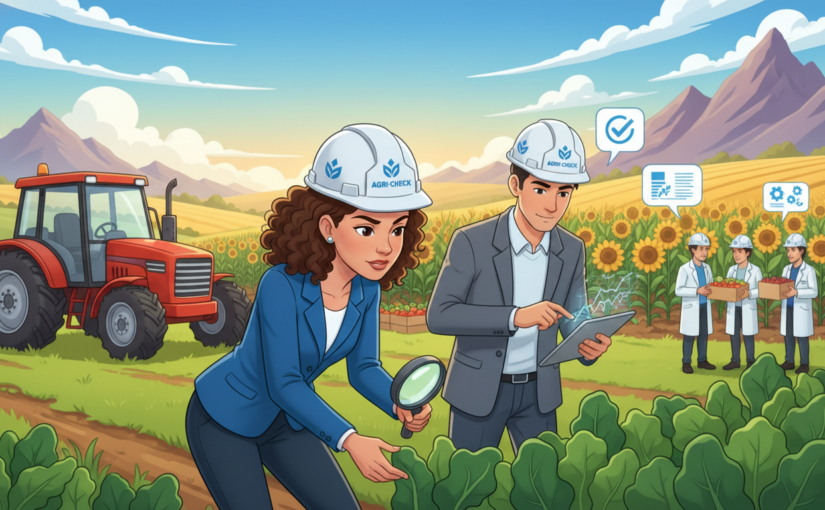
Modern farming is changing fast. We now use advanced software to manage big operations. Agricultural quality control is key for growth.
ERP systems give us full control over our supply chain. They track everything from planting to distribution. This precision helps our crops meet top safety and efficiency standards.
We use digital tools to keep every harvest consistent. Agricultural quality control helps us cut waste and boost output. These solutions are vital for success in today’s global market.
Key Takeaways
- Digital transformation is essential for modern farming efficiency.
- ERP systems function as the central nervous system for agricultural enterprises.
- Integrated software provides visibility from seedling to final distribution.
- Rigorous standards ensure safety and compliance across the production cycle.
- Data-driven insights help producers minimize waste and improve overall yields.
Understanding Agricultural Quality Control in AgTech
We see agricultural quality control as key to a successful harvest. It’s about checking crop health and the environment to keep quality high every season.
Using digital tools, we turn field data into useful insights. This is crucial for staying ahead in the global food market.
Definition and Importance of Quality Control
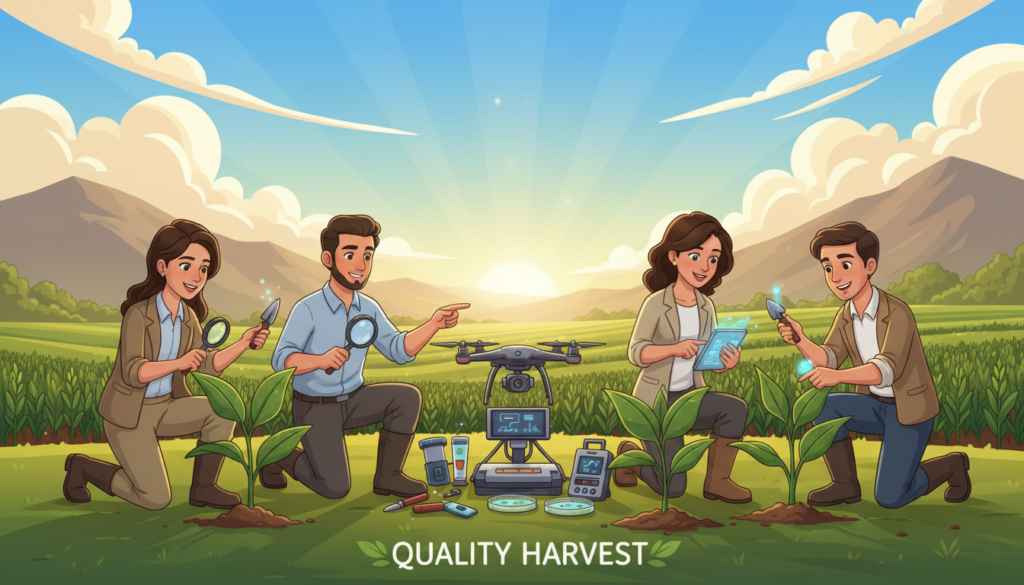
Quality control in farming is more than just checking the final product. It’s about managing the crop’s whole life. With crop inspection software, we can spot and fix problems early, like pests and nutrient issues.
“Quality is never an accident; it is always the result of high intention, sincere effort, intelligent direction and skillful execution.”
Without these tools, farmers face uneven yields and losses. We focus on digital solutions to give each plant the care it needs.
Key Components of Quality Control in Agriculture
A good quality program has several key parts. These help us make decisions based on data, not guesses.
- Standardized Testing Protocols: We use the same methods for soil and plant tests.
- Real-Time Monitoring: Our crop inspection software tracks growth and environmental factors.
- Compliance Management: We make sure our practices meet safety standards.
The table below shows how these parts compare to old ways of managing quality.
| Feature | Manual Methods | AgTech ERP Integration |
|---|---|---|
| Data Accuracy | Low (Human Error) | High (Automated) |
| Response Time | Delayed | Immediate |
| Risk Mitigation | Reactive | Proactive |
By focusing on these key areas, we help our partners keep high agricultural quality control standards. Using these technologies is the best way to ensure long-term success and healthy crops.
Overview of AgTech ERP Systems
We see AgTech ERP as the brain of today’s farms. It’s a system that brings together all farm activities into one digital space.
These systems collect data and connect AgTech ERP modules smoothly. They track everything, from soil moisture to worker hours, so nothing is missed.
What is an AgTech ERP?
An AgTech ERP is advanced software for modern farming. It replaces old ways of tracking with a single database that offers real-time insights.
With AgTech ERP modules, managers can watch over crops, stock, and money at the same time. This changes how we manage resources and plan for the future.
Benefits of Integrating Quality Control in ERPs
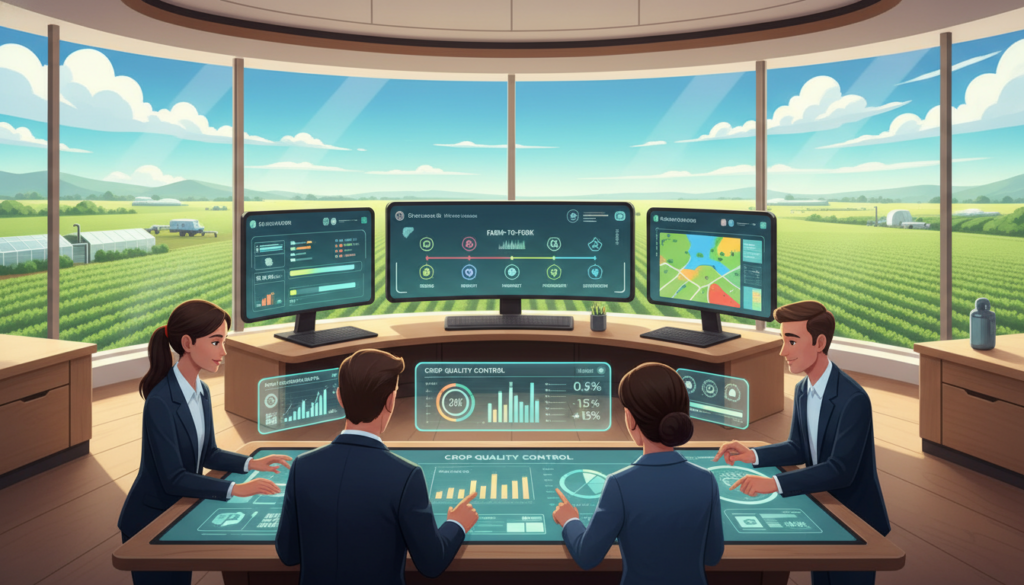
Adding quality control to our software gives us an edge. It lets farm managers see their work and resources clearly.
This setup makes operations more open and cuts down on waste. With AgTech ERP modules, teams can spot problems early and fix them before they affect the harvest.
| Feature | Traditional Management | ERP-Integrated System |
|---|---|---|
| Data Access | Siloed and manual | Centralized and real-time |
| Quality Tracking | Reactive and sporadic | Proactive and continuous |
| Waste Reduction | Limited visibility | High precision monitoring |
| Compliance | Paper-based records | Automated digital reporting |
Switching to an integrated system lets us make better choices based on data. We think transparency is key for farms to grow sustainably.
Quality Control Modules: Features and Functionality
We use AgTech ERP modules to make our daily work better. These tools help us manage big farms with ease and speed.
Real-Time Monitoring and Data Analysis
Our team uses crop inspection software to get important data from the field. This system gives us quick updates on plant health and growth.
Our nursery grading tools sort seedlings by their looks. This proactive approach helps us pick only the best plants. It cuts down on waste and makes our work more efficient.
Compliance Management and Reporting
Following strict food safety rules is crucial. We use automated reports to keep track of all safety steps.
These tools create detailed records for audits. This helps us stay fully compliant and keeps our brand safe.
Traceability from Seedling to Market
Our harvest tracking is key to quality control. We watch every batch from nursery to consumer.
This gives us unmatched insight into our supply chain. With these tools, we keep our work scalable and up to date with industry standards.
Best Practices for Implementing Quality Control Modules
Modern agriculture needs smarter digital workflows. Success comes from a mix of strong software and a skilled team. Your team must know how to use these tools to get real results.
Training and Education for Staff
Investing in your team is key. They need to see the value of accurate data entry. Good training helps them understand nursery grading well.
When they’re confident with the software, they help keep data quality high. This is good for the whole operation.
Continuous Improvement Strategies
Reviewing past performance data is important. It helps you improve daily tasks. By looking at trends, you can cut waste and boost yield quality.
This cycle of review and improvement keeps you ahead in a changing market.
Leveraging Technology for Enhanced Quality Control
Building a culture based on data-driven decisions is powerful. It helps your organization reach new heights. Integrating these advanced modules sets you up for long-term success.
We encourage you to start improving your processes now. This will help ensure a strong future for your farm.