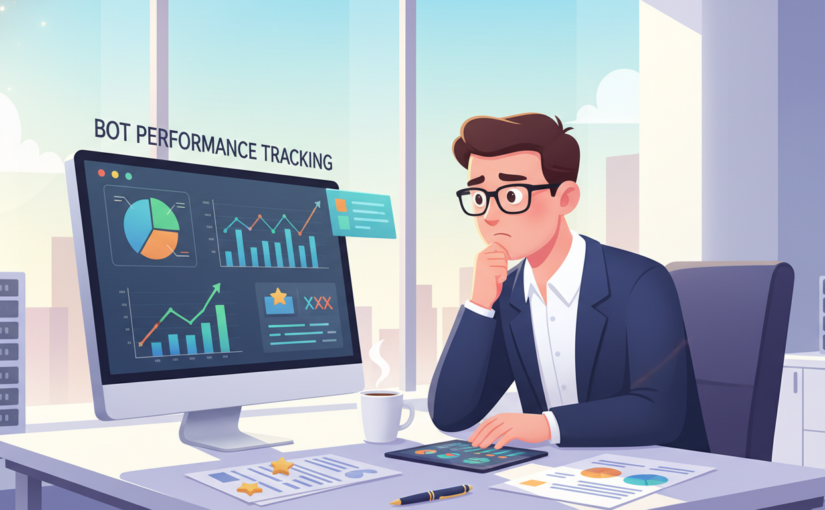
Modern finance is changing fast, thanks to advanced automation. We need to connect our complex market strategies with our client management systems.
Using a Grid trading bots CRM helps us keep an eye on automated portfolios. This way, our financial advisory software stays in sync with market changes.
We think bot performance tracking is key to being open. With a strong algorithmic trading CRM, we give our clients the security and clarity they need in the US financial sector.
Key Takeaways
- Automated tools need to work smoothly with current advisory platforms.
- Having a central view is crucial for handling complex market strategies.
- Watching things in real-time builds trust with financial clients.
- Being open about performance is a must for regulators.
- Our software needs to keep up with fast market changes.
Understanding Grid Trading Bots in Financial Advisory
Grid trading bots change how we handle market ups and downs in wealth management. They help advisors stick to a plan, even when markets are unpredictable.
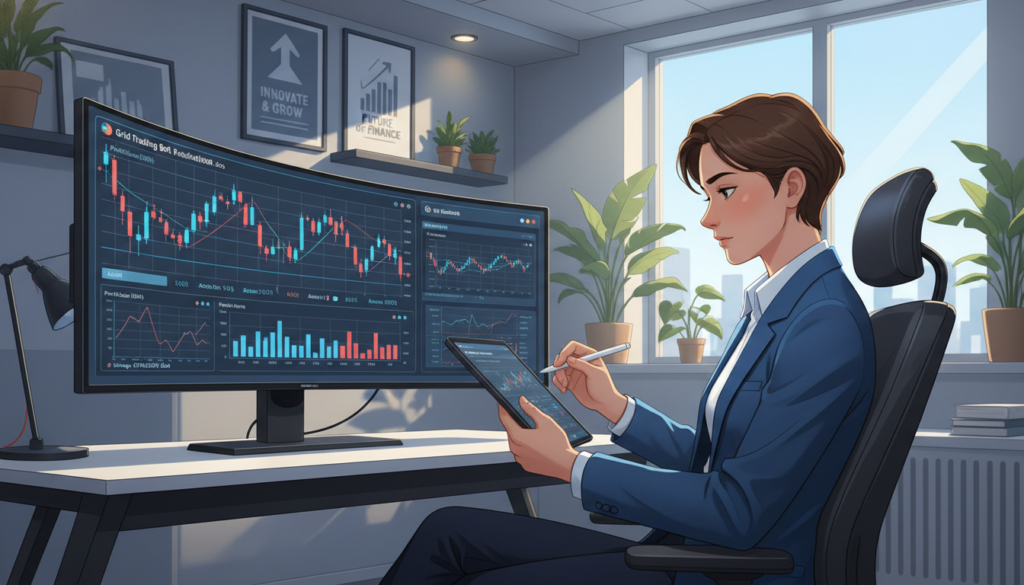
What Are Grid Trading Bots?
These bots are smart tools that make trades at set prices. They create a grid of buy and sell orders around a price. This way, we can make money from small price changes without guessing the market’s future.
“Automation in trading is not about replacing the advisor; it is about providing the precision and speed necessary to navigate modern, high-frequency markets.”
How Do They Operate?
These systems set up limit orders at regular times. When prices drop, they buy; when prices rise, they sell. This keeps going as long as prices stay within the grid.
Advisors keep control, making sure the bot fits the investment plan. With a FinTech CRM, we can watch these actions live. This way, every trade is recorded and shown in the client’s file.
Benefits of Using Grid Trading Bots
The main plus is avoiding emotional trading decisions. These bots do the routine work, letting us focus on big client portfolio management tasks. Plus, a good Grid trading bots CRM makes tracking easy.
Here’s a table showing why these bots are good for your practice:
| Feature | Manual Trading | Grid Trading Bots |
|---|---|---|
| Execution Speed | Slow/Human-dependent | Instant/Algorithmic |
| Emotional Bias | High risk | None |
| Market Coverage | Limited | 24/7 Monitoring |
| CRM Integration | Manual entry | Automated sync |
Using these techs in a FinTech CRM helps us get steady results. Good client portfolio management needs both human touch and machine accuracy. Together, they make our advisory business stronger and more flexible with a Grid trading bots CRM.
Integrating CRM with Automated Trading Bots
Today, financial advisory firms need to link trading bots smoothly into their systems. This creates a single space where trading and client care work together. It lets advisors focus on big plans while the tech handles the details.
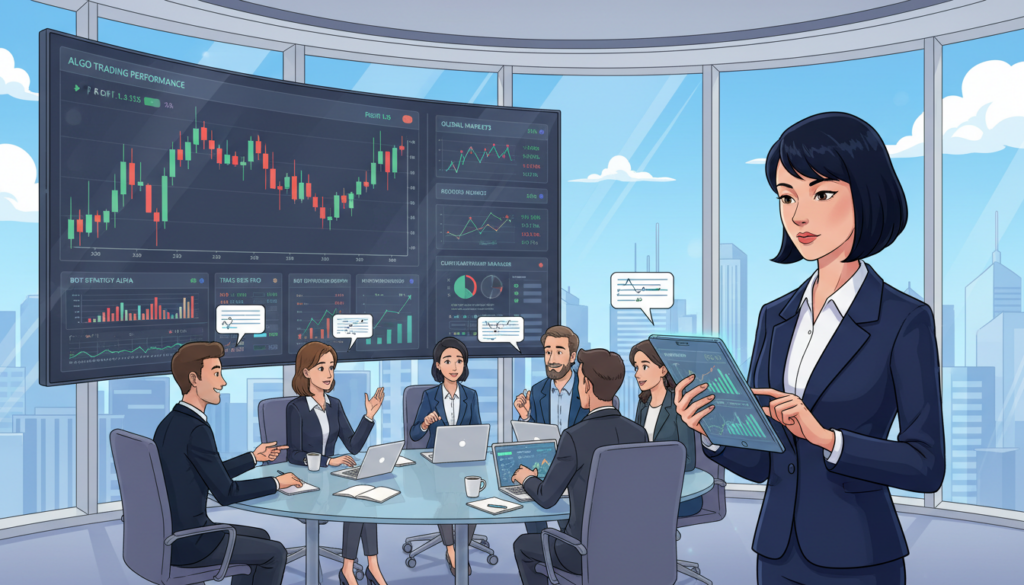
Key Features of Financial Advisory CRMs
A top-notch algorithmic trading CRM does more than store contacts. It must have strong APIs to get live trade data from your trading engine. Data synchronization is key, making sure every bot trade shows up in the client’s file right away.
The software should also have detailed reporting tools. These tools make complex bot actions easy for clients to understand. Security is crucial, so look for platforms with end-to-end encryption and strict access controls. These protect your clients’ financial info and keep you in line with rules.
Steps to Integrate Grid Trading Bots
Start by picking a financial advisory software that supports open APIs. Begin with a test environment to check the bot and CRM connection. This step avoids messing with real data during setup.
After setting up the link, make sure the data fields match. Trade times, asset types, and profit-loss numbers should match between systems. Then, test the system under stress to make sure it handles lots of updates well.
Challenges and Solutions in Integration
Firms often run into problems like API delays and data format issues. To solve these, use a middleware layer to standardize data before it hits the CRM. This makes your automated workflows reliable, even when markets are wild.
| Integration Method | Latency Level | Security Rating | Ease of Use |
|---|---|---|---|
| Direct API Link | Low | High | Moderate |
| Middleware Bridge | Medium | Very High | High |
| Manual CSV Import | High | Low | Low |
The true value of technology in finance is not just in the speed of execution, but in the clarity it provides to the advisor-client relationship.
By tackling these tech challenges early, we build a stronger system. This lets our teams use algorithmic trading to its fullest while keeping a personal touch in our service.
Metrics for Evaluating Trading Bot Performance
Success in automated markets needs a careful look at data. We must measure everything accurately. This ensures our strategies meet our long-term financial goals.
Essential Performance Metrics to Track
Advisors should watch key indicators like drawdown ratios and Sharpe ratios. Also, total return percentages are important. These numbers show us the balance between risk and reward.
Tracking bot performance helps us see which strategies work best. We can then make the needed changes quickly.
Tools for Performance Analysis
Platforms like Salesforce Financial Services Cloud or Wealthbox have great reporting tools. They help us turn complex data into easy-to-understand dashboards. These tools make it easier to keep an eye on our automated systems as they work.
Making Data-Driven Decisions for Clients
We turn numbers into useful information to help manage client portfolios better. Making changes based on solid data helps protect assets during ups and downs. This careful approach builds trust and helps accounts grow steadily.