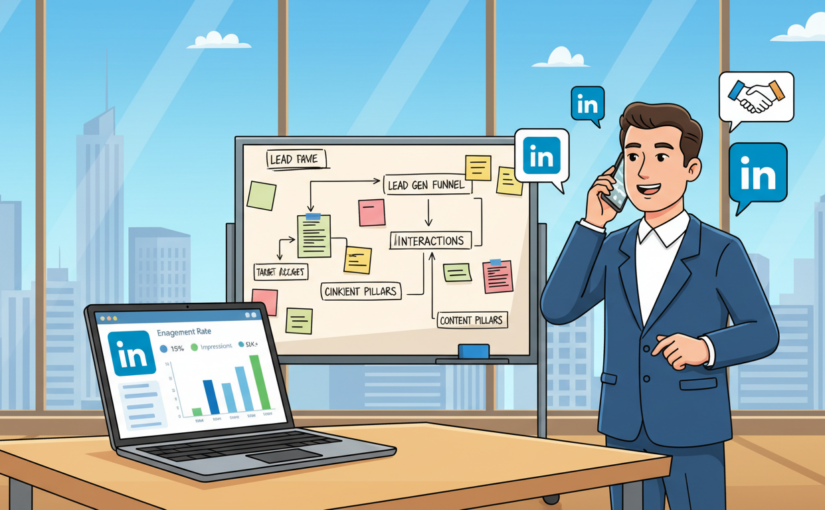
Today’s sales teams must keep up with fast-paced digital networking. We need to catch every interaction to stay competitive.
Using a social selling CRM gives teams a full view of their pipeline. This tech changes how we find leads in a quick market.
Strong B2B social media tracking makes sure we don’t miss any chances. Data-driven insights are key for successful outreach in the U.S.
Watching these digital moments is now a must. It’s a critical requirement for teams wanting to grow and make more money today.
Key Takeaways
- Modern sales success depends on capturing data from every digital touchpoint.
- Specialized tools help teams organize and prioritize their outreach efforts.
- Tracking interactions provides a clear view of the entire sales pipeline.
- Data-driven strategies are essential for competitive lead generation today.
- Consistent monitoring prevents valuable networking opportunities from being lost.
Understanding Social Selling and CRM
We see the mix of social interaction and data handling as key to B2B success today. By using strong tech, we turn simple online chats into real business wins. A Social selling CRM links our networking to our sales goals.
Definition of Social Selling
Social selling is about building real relationships in sales. It’s never about sending out unwanted messages or hard sales pitches. We focus on adding value and making lasting connections that build trust over time.
When we talk to leads on sites like LinkedIn, we aim to solve their problems, not just sell. This approach keeps our brand in mind when they’re ready to buy. A Social selling CRM helps us keep track of these interactions while staying personal.
Importance of CRM in Social Selling
The number of digital talks can overwhelm any sales team. A Social selling CRM keeps all our digital interactions in one place. This way, we don’t miss any chances in the social media noise.
By using these systems, our sales pipeline stays strong and up-to-date. We count on this Social selling CRM for automated follow-ups and team organization. This setup lets us grow our outreach while keeping our relationships strong.
The Role of LinkedIn in B2B Sales
We see LinkedIn as key for making strong business connections. It’s where we start our outreach, connecting with others in our field and finding new lead generation chances.
LinkedIn as a Networking Platform
We’re moving away from just cold calls. Instead, we aim for meaningful talks that our audience will find valuable. By sharing useful insights and joining in on industry chats, we become trusted advisors, not just sellers.
“Networking is not about just connecting people. It is about connecting people with people, people with ideas, and people with opportunities.”
This new way of thinking helps us build lasting relationships. We focus on quality interactions that build trust. Trust is key for successful lead generation in today’s B2B world.
Best Practices for LinkedIn Engagement
Being consistent is at the heart of our strategy. We keep our profiles up-to-date and share content that solves our prospects’ problems.
To draw in valuable leads, we do the following:
- Engage with posts related to our industry to get noticed.
- Leave thoughtful comments that enrich the conversation.
- Make sure our profiles clearly show what we offer.
By being active and quick to respond, we keep our brand in the minds of potential clients. This careful approach to lead generation creates a steady flow of quality prospects who are really interested in what we offer.
Key Features of Social Selling CRM Tools
We need to look at the main features that turn social media into a sales pipeline. Top social selling software is key for our outreach. It makes sure we don’t miss any chances.
Integration Capabilities with LinkedIn
A smooth LinkedIn CRM integration is crucial. It logs every message, comment, and connection request into our database. This means no manual data entry.
This syncing keeps all prospect info in one place. It saves our team a lot of time each week.
“The goal is not to live on social media, but to use it as a strategic tool to build authentic relationships that drive business growth.”
Analytics and Reporting Features
Advanced analytics help us see how well our outreach works. We can see which content gets the most interest. And which channels bring in the best lead generation.
These insights help us improve our messages quickly. We don’t guess anymore about what works best.
Lead Management Functionality
Great lead management lets us focus on the most promising prospects. We score interactions to find those ready to buy.
This targeted approach boosts our lead generation. With a strong LinkedIn CRM integration, we turn cold outreach into warm, productive conversations.
Top Social Selling CRM Tools Available
Finding the right social selling CRM is key. You need to know what your team needs. We’ve looked at the market to find tools that help with social engagement and lead conversion. The right social selling software can change how your sales team works every day.
Salesforce CRM
Salesforce is great for big B2B sales. It tracks engagement on many social channels. Its advanced automation features are perfect for big companies that need lots of customization.
HubSpot CRM
HubSpot is known for being easy to use and working well with marketing. It’s a top social selling software for teams that value simplicity and quick learning. It turns social media into useful data without confusing sales staff.
Zoho CRM
Zoho is flexible and fits all business sizes. It’s a budget-friendly social selling CRM that doesn’t cut corners on features. Teams like how it lets them add social media feeds to their lead dashboards.
| Platform | Best For | Key Strength |
|---|---|---|
| Salesforce | Large Enterprises | Scalability |
| HubSpot | Mid-Market | Ease of Use |
| Zoho | Small to Mid-Size | Customization |
When picking these tools, think about a few things for success:
- Integration depth with your current tech.
- How easy it is for your sales team to learn.
- Your budget and if it will grow with you.
Integrating Social Selling CRM with LinkedIn
To successfully link your LinkedIn CRM integration, you need to understand both the technical and operational sides. This connection merges your social networking efforts with your lead management database. It makes sure every interaction is recorded without needing manual input.
Steps to Connection and Syncing
The technical setup starts with authenticating your professional account in your CRM dashboard. Most platforms have a native connector that needs simple API authorization for a secure link.
After linking your accounts, we set up the sync settings. This decides which data moves between platforms. Real-time synchronization is key, as it updates your lead records instantly for new connections or messages.
If you hit sync errors, check your API permissions and clear your browser cache. These small tweaks often fix common setup problems.
Enhanced User Experience
Automating these connections boosts our sales team’s daily work. It eliminates the need for manual data entry. This lets our team focus on meaningful engagement and building relationships.
A smooth LinkedIn CRM integration gives a clear view of the customer journey. This clarity shows which social interactions result in quality conversions. It leads to better business results.
| Feature | Manual Entry | Automated Sync |
|---|---|---|
| Data Accuracy | Prone to human error | High precision |
| Time Investment | High (hours per week) | Minimal (setup only) |
| Lead Visibility | Delayed updates | Instant real-time data |
| Sales Focus | Administrative tasks | Strategic selling |
Gathering Insights from LinkedIn Interactions
Turning LinkedIn data into useful business insights is key for B2B success today. We see the digital trails left by potential customers as a guide for our outreach. By tracking these signs, we move from guessing to making data-driven decisions.

Tracking Engagement Metrics
To stay ahead, we use strong B2B social media tracking across all our professional platforms. We watch likes, comments, and shares to understand our audience better. This helps us see which topics our potential buyers find most interesting.
Tracking consistently helps us build a detailed profile for each lead. We know exactly when a prospect interacts with our content. This lets us follow up at the right time, keeping our sales team relevant without being too pushy.
Identifying Key Interactions
Not all interactions are equal, so we use social listening tools to focus on the important ones. These tools help us keep up with industry trends and what our competitors are doing. This way, we focus on the prospects most likely to become customers.
A smooth LinkedIn CRM integration is crucial for organizing these interactions well. It lets us link engagement data directly to our workflow, making sure we don’t miss any opportunities. We can then sort our leads based on their interests and how engaged they are.
“Data is the bridge between a cold outreach and a warm, meaningful business relationship.”
The table below shows how we prioritize different LinkedIn interactions to improve our sales pipeline:
| Interaction Type | Priority Level | Recommended Action |
|---|---|---|
| Direct Message | Critical | Immediate Response |
| Comment on Post | High | Engage and Connect |
| Profile View | Medium | Monitor Activity |
| Like on Content | Low | Nurture with Content |
By using a proper LinkedIn CRM integration, we make sure our follow-up is both timely and personal. This method turns every digital touchpoint into a step towards a successful partnership. We keep improving our strategies to meet the changing needs of our B2B clients.
Building a B2B Lead Strategy Using Social Selling
We think successful lead generation comes from knowing your prospects well. A good strategy focuses on reaching out in a way that grabs attention and builds trust.
Target Audience Identification
To find the right people, we need to define our ideal buyer personas clearly. We use B2B social media tracking to watch what our target accounts do and what they’re interested in. This makes sure our outreach is always on point.
We look at how people interact with our brand to find out who’s most interested. This helps us tailor our messages to solve the problems our prospects face every day.
Content Strategy on LinkedIn
A solid content strategy is key to our lead generation success. We share valuable insights that tackle the main issues our audience faces. This way, we become trusted advisors, not just sellers.
When our content matches what our prospects need, we get more meaningful engagement. This strategy helps us build lasting professional relationships.
| Strategy Component | Focus Area | Expected Outcome |
|---|---|---|
| Audience Research | Behavioral Data | Higher Conversion Rates |
| Content Creation | Pain Point Resolution | Increased Authority |
| Social Tracking | Engagement Metrics | Refined Targeting |
By using B2B social media tracking every day, we stay ahead. We keep an eye on our results to make sure our strategy keeps up with the market’s changes.
Best Practices for Using Social Selling CRM
The true power of digital tools comes from those who use them every day. While technology is key, how we use it matters most. By setting clear rules, our social selling CRM stays a trusted tool for everyone.
Regular Updates and Maintenance
Keeping your database clean and up-to-date is crucial for success. We focus on keeping our data fresh to avoid old info. This keeps our team on track and ensures every interaction is based on the latest info.
We suggest regular checks to make sure lead info and engagement history are current. Clean data makes our outreach efforts much stronger. Consistency in maintenance helps avoid technical issues and lets us build strong relationships.
Training Your Sales Team
Technology works best when people know how to use it. That’s why we put a big focus on training. We offer ongoing programs to help our team get the most out of our social selling software.
We foster a culture where everyone learns from each other. This way, our top performers can teach new strategies to others. Keeping our team up-to-date helps us stay ahead in the market. A well-trained team is the heart of any good social selling CRM plan.
Measuring Success in Social Selling
We think that strong B2B social media tracking is key to any good sales plan. Without solid data, it’s hard to know what really works and what doesn’t. By setting up a way to measure, we turn vague social actions into real business insights.

Key Performance Indicators (KPIs)
We look at certain metrics to see how well we’re doing in lead generation. These numbers tell us how our sales funnel is doing and if our outreach is good. We group these metrics to get a full view of our social selling world.
| Metric Category | Primary KPI | Business Impact |
|---|---|---|
| Engagement | Inbound Message Rate | High intent identification |
| Conversion | Social-to-Lead Ratio | Pipeline velocity |
| Growth | Network Quality Score | Target account reach |
These numbers show us how our work helps the bigger lead generation pipeline. By checking these numbers every week, we can change our plan before small problems get big.
Continuous Improvement Strategies
Success in social selling is always a work in progress. We test, learn, and make our tactics better. We see every campaign as a chance to learn and improve our messages and who we target. This keeps our methods sharp in a fast-changing digital world.
“What gets measured gets managed, and what gets managed gets improved.”
We make quick changes based on what our B2B social media tracking tools tell us. By always looking to get better, our team stays on top of trends. Our focus on using data to improve means we get the most out of our social selling efforts.
Overcoming Challenges in Social Selling
Introducing new tech can lead to unexpected problems that slow down sales. Moving to social selling software is more than just installing it. It means changing how our teams see digital interactions and daily outreach.
Common Misconceptions
Many think social selling gives instant results. They expect a quick increase in leads after starting a new platform. But, building real connections on professional networks takes time and effort.
Another myth is that automation replaces human touch. While tools help us scale, they can’t match the personal touch of a real conversation. We need to mix automated workflows with real, human interaction for success.
Technical Limitations and Solutions
Adding new systems to our existing tech stack often reveals technical issues. For example, a LinkedIn CRM integration might face API limits that block data transfer. We solve this by using middleware to connect platforms.
Data privacy is a big worry in B2B today. We follow rules and use secure social listening tools to monitor trends without crossing lines. These tools help us get useful insights while keeping our prospects’ trust.
| Challenge | Impact | Strategic Solution |
|---|---|---|
| Data Silos | Fragmented lead view | Unified LinkedIn CRM integration |
| Low Engagement | Stagnant pipeline | Advanced social listening tools |
| Slow Adoption | Inefficient workflows | Targeted team training |
| API Constraints | Limited data sync | Custom middleware development |
By tackling these technical and cultural hurdles, we turn them into strengths. We keep working to make our social selling software as valuable as possible for our team.
Future Trends in Social Selling and CRM
The world of B2B sales is changing fast with new tech. Soon, artificial intelligence will be at the heart of every interaction. This will make our outreach more precise and effective.
AI and Automation in Sales
Now, advanced automation tools handle the boring tasks. This lets our teams focus on building real connections. We use top-notch social listening tools to keep an eye on market feelings in real time.
These tools give us clues about what buyers might want before they even contact us. It’s a game-changer for our sales team.
Evolving User Expectations on LinkedIn
Today’s buyers on LinkedIn want real conversations, not just sales talk. We need to create content that really speaks to their needs. By using social listening tools daily, we stay on top of these changes.
Our goal is to keep our brand a trusted leader online. We’re all about meeting these new expectations head-on.
It’s time to check how your social selling is doing. Try out new automation tools in Salesforce or HubSpot. See how they boost your lead quality. Your growth journey starts with these small, smart steps.