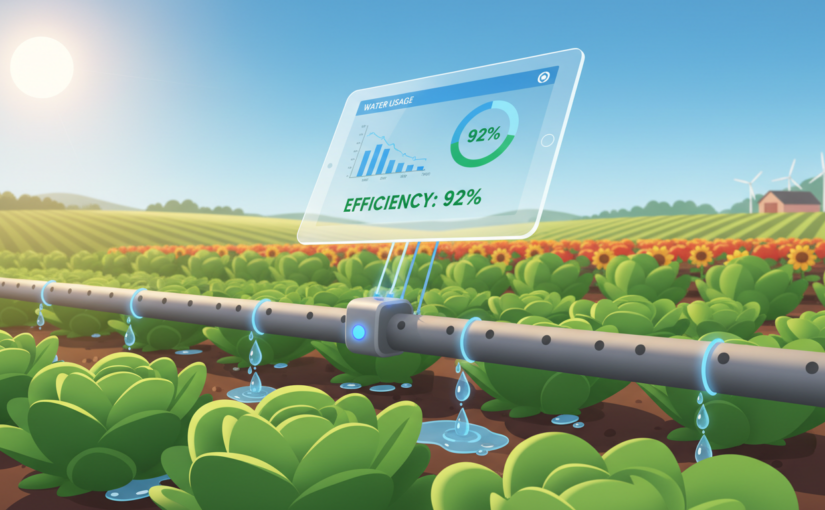
Modern farming is all about getting high yields while saving resources. We think the key to success is linking top-notch equipment with digital tools.
With Perforated drip irrigation IoT, farmers can track moisture levels very accurately. This tech gives them the data they need to make smart choices right away.
We’re working on combining these tools with a strong water management ERP. This digital link helps turn old farming ways into a modern, data-based system.
Technology is making farming more precise and green. By using these tools, we make sure every drop of water is used wisely in our big operations.
Key Takeaways
- Advanced hardware provides the foundation for precise water monitoring.
- Digital platforms help translate raw field data into actionable insights.
- Integrating systems reduces waste and improves overall crop health.
- Modern enterprises rely on data to scale their operations effectively.
- Technology bridges the gap between traditional methods and future sustainability.
Introduction to Perforated Drip Irrigation IoT
Digital intelligence is changing American farming. We’re moving from old, manual watering to smart systems that adjust to the weather. This change helps farmers keep up with water scarcity and stay competitive.
What is Perforated Drip Irrigation?
Perforated drip irrigation uses special tubing with holes to water plants directly. It’s better than old methods because it saves water by watering only where needed. This way, we waste less and keep plants hydrated.
These systems are the base for smart water management. Adding sensors and internet makes them into a perforated drip irrigation IoT network. Now, we can check water flow and soil moisture like never before.
Benefits of IoT in Agriculture
Connected hardware lets us control water better. We can change irrigation plans from anywhere, based on weather and soil. This is now a must for farms to stay green.
The table below shows how IoT systems are better than old ways:
| Feature | Traditional Irrigation | IoT-Enabled System |
|---|---|---|
| Control Method | Manual/Timer-based | Automated/Data-driven |
| Water Efficiency | Moderate | High (Precision) |
| Data Insights | None | Real-time Analytics |
| Maintenance | Reactive | Predictive |
Using these tools helps farms succeed, even with tough weather. Moving to perforated drip irrigation IoT shows our dedication to saving water and farming well.
Understanding the Role of IoT in Agriculture
By adding digital smarts to our fields, we can control water use like never before. Smart farming IoT connects raw data to smart field decisions. This change is a big deal for managing resources in big operations.
How IoT Enhances Drip Irrigation
IoT systems keep soil moisture just right, thanks to real-time feedback. We ditch fixed schedules for dynamic soil needs. Our systems adjust fast to ensure water goes where it’s needed most.
This precision helps crops stay healthy and saves water. By matching irrigation to soil needs, we avoid too much or too little water. Efficiency is now the norm in our work.
Connected Devices and Data Collection
Connected devices are key for our water management ERP. They track soil tension, temperature, and humidity. This info goes to a central hub, guiding our irrigation without manual help.
These devices work together on a strong water management ERP. This lets us track every drop of water. With this system, we can predict irrigation needs based on past data. This approach is key to modern farming.
| Feature | Traditional Irrigation | IoT-Enabled System |
|---|---|---|
| Data Collection | Manual/Periodic | Real-time/Automated |
| Decision Making | Fixed Schedules | Dynamic/Sensor-based |
| Resource Waste | High | Minimal |
| System Oversight | On-site Presence | Remote Management |
Key Components of Perforated Drip Systems
Creating an efficient irrigation system needs a good understanding of its parts. We use strong materials and smart tech to make sure water gets where it needs to go.
Perforated drip irrigation helps us make a system that’s both tough and precise. This setup is key for today’s farming.
Tubing and Emitters Overview
Our system’s heart is in the special polyethylene tubing. It’s made to last in tough field conditions. The tubes have holes or emitters that control water flow over different landscapes.
Consistency is key in a pro setup. High-quality emitters stop clogs and make sure each plant gets the same water. This doesn’t matter where the plant is on the line.
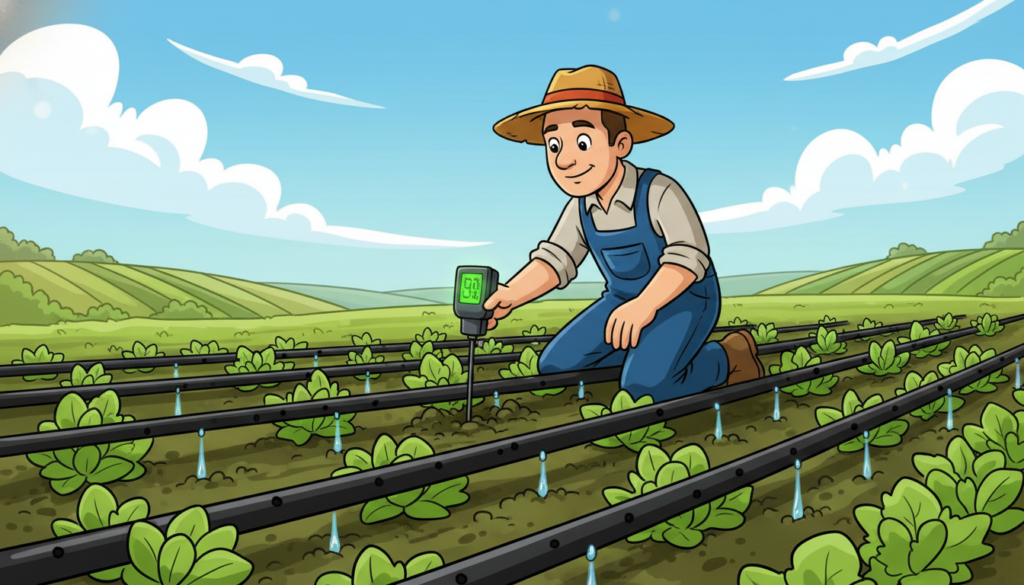
“The future of agriculture lies in the marriage of robust physical infrastructure and intelligent data analysis.”
Role of Sensors in Water Management
Just hardware isn’t enough for top efficiency. We add advanced soil moisture and flow sensors for accurate resource tracking.
These sensors are our system’s eyes and ears. They watch the soil and water flow in real-time. This lets us adjust water based on what the soil really needs, not just guess.
| Component | Primary Function | Benefit |
|---|---|---|
| Soil Sensors | Measure moisture levels | Prevents over-watering |
| Flow Meters | Track water volume | Enables resource tracking |
| Precision Emitters | Control output | Ensures uniform growth |
With these parts, we control our water use perfectly. The mix of physical parts and digital monitoring is vital for green farming in the U.S.
Benefits of Using Perforated Drip Irrigation
Using perforated drip irrigation changes how we manage resources every day. It delivers water right to the roots, cutting down on loss from wind and evaporation. This helps keep the soil moist, perfect for plant growth.
Resource tracking is key to this method. It lets us track water use closely, making smart choices to save money. This way, we make sure every acre is used well without wasting water.
Water Conservation Techniques
Old irrigation ways often cause a lot of runoff and waste. But perforated drip irrigation systems release water just right for the crop. This avoids soaking areas that don’t need it.
These systems cut down water use a lot. They reduce the area that gets wet, lowering evaporation. This is crucial for farms in areas with little water or strict rules.
Improved Crop Yields and Quality
Even moisture means healthier roots and stronger plants. Giving water just when and how much needed improves our harvest. This consistency helps us get better prices for our crops.
By tracking resources well, we can also time nutrient delivery right. This mix of water and nutrients boosts crop quality. Here’s how it beats old methods.
| Feature | Traditional Irrigation | Perforated Drip System |
|---|---|---|
| Water Efficiency | Low (High Evaporation) | High (Targeted Delivery) |
| Crop Uniformity | Variable | Consistent |
| Operational Cost | High (Resource Waste) | Low (Optimized Usage) |
| Soil Health | Risk of Erosion | Improved Structure |
Integration of IoT with Drip Irrigation Systems
Connecting field sensors to an AgTech ERP platform is key in modern irrigation management. It links physical hardware with digital software, creating a system that uses resources better. This perforated drip irrigation IoT setup turns field data into useful insights, boosting farm productivity.
Real-time Monitoring and Analytics
Our systems need constant data to work at their best. Advanced sensors help us spot issues like pressure drops or flow problems right away. This is essential for catching leaks or blockages early, protecting crops.
Our analytics platforms analyze this data, giving us a clear view of field health. We don’t need to do manual checks anymore. Our software alerts us quickly if something’s off.
Automated Irrigation Systems
We use automation to set up watering schedules based on the environment. These systems adjust water flow as needed, giving crops just the right amount of moisture. We keep detailed records of every watering event with automated watering logs.
These logs are crucial for checking our long-term operations and meeting regulations. They help us improve our strategies and show how we use water sustainably. Here’s how our system differs from old methods.
| Feature | Traditional Irrigation | Integrated IoT System |
|---|---|---|
| Data Collection | Manual/Periodic | Real-time/Continuous |
| Leak Detection | Reactive/Visual | Proactive/Automated |
| Record Keeping | Paper-based Logs | Automated Watering Logs |
| Efficiency | Variable | High/Optimized |
Challenges in Implementing IoT Solutions
Adopting advanced irrigation systems needs careful planning. The promise of more efficiency is great, but the switch to digital farming has its own challenges.
Initial Investment and Cost Factors
The biggest hurdle is the initial capital expenditure needed to change old systems. Buying sensors, controllers, and software is a big expense for farms.
It’s important to see the long-term benefits. A good water management ERP can make these costs worth it by saving water and time over many seasons.
Technical and Connectivity Issues
Getting reliable data in rural areas is a big problem. Without strong cell or satellite signals, automated irrigation can’t work as it should.
Also, linking new tech with old systems is tricky. Good resource tracking needs smooth data flow from sensors to your main dashboard.
To avoid these problems, start with a small test area. This way, you can fix any issues before using the tech on the whole farm.
Case Studies: Successful Implementations
Recent agricultural projects show how precision tools change farming. By looking at early adopters, we see key strategies for growth. These operations prove smart farming IoT is a shift in managing resources.
Innovative Farms Utilizing IoT
In the United States, some farms use connected sensors to better manage water. For example, large vertical farms use automated feedback loops to check moisture levels. This lets managers adjust water flow instantly based on plant needs.
These farms also use cloud-based dashboards to track performance. This centralizes data, reducing the need for guesswork in irrigation. It ensures water is used effectively in the growth cycle.
“The transition to data-driven irrigation has allowed us to reduce our water footprint by nearly forty percent while simultaneously increasing our harvest consistency.”
Impact on Water Efficiency and Crop Health
These systems offer more than just water savings. They also reduce nutrient runoff and soil erosion. This leads to healthier roots and stronger crops.
Data from pilot programs shows the real benefits of these technologies. The table below compares traditional methods with sensor-integrated systems.
| Metric | Traditional Irrigation | IoT-Integrated System |
|---|---|---|
| Water Usage | High (Baseline) | Reduced by 35% |
| Crop Yield | Standard | Increased by 15% |
| Labor Costs | Manual Monitoring | Automated Alerts |
| System Longevity | Moderate | High (Predictive Maint.) |
The success of early adopters shows a clear path for the industry. By focusing on smart farming IoT, farmers can produce more while protecting the environment. These results make a strong case for wider adoption.
The Future of Agriculture: Trends to Watch
The future of irrigation technology is exciting. It promises to make farming more efficient in the United States. Traditional methods are being updated with digital solutions to boost output. It’s key for farmers to stay updated, especially with perforated drip irrigation systems.
Advancements in Drip Irrigation Technology
New hardware is all about being tough and precise. Makers are creating materials that don’t clog or wear out easily. This means perforated drip irrigation can keep delivering water well, even in tough soils.
We’ll see systems that are easy to grow or change. This lets farmers adjust to new crop needs without big changes. It’s all about flexibility and ease.
The Role of AI and Machine Learning
Artificial intelligence is changing how we manage water. AI uses lots of data to predict when crops need water. This shift from just reacting to proactive management is huge for saving resources.
“The future of agriculture lies in the marriage of biological wisdom and digital precision, where every drop of water is accounted for by intelligent systems.”
Machine learning gets better over time, using past data and current conditions. It makes sure perforated drip irrigation gives the right amount of water. By using these smart tools, we can make farming more sustainable and profitable.
Best Practices for Implementing Drip Irrigation IoT
Setting up a modern irrigation system is more than just buying parts. It’s about planning and caring for it over time. Successful farms see their systems as living, growing parts of their operation. By focusing on precision from the start, we use resources wisely and grow more crops.
Planning and System Design
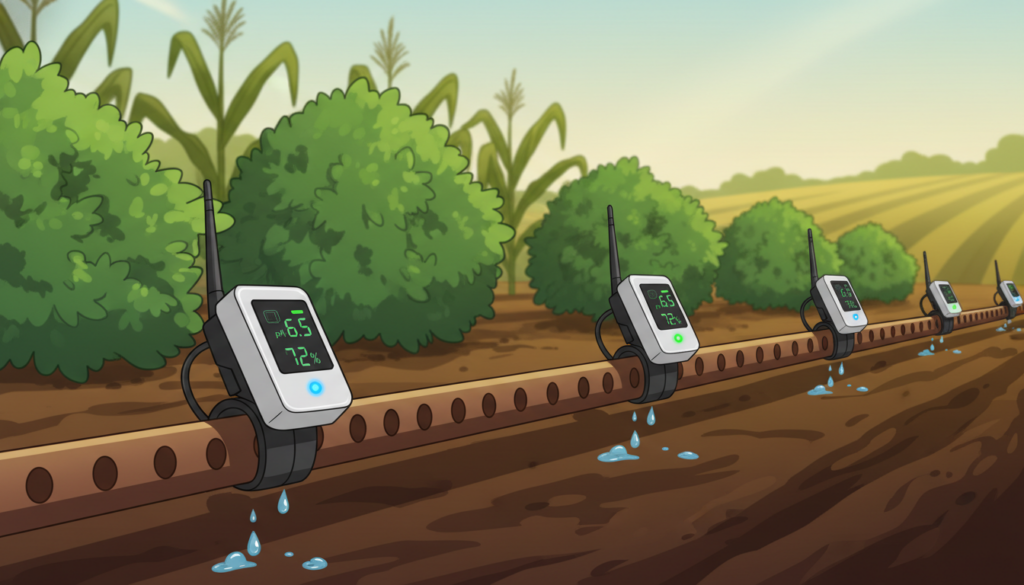
The key to a good perforated drip irrigation IoT system is a solid design. We need to map out our fields carefully. This ensures every sensor and emitter is in the right spot for the best coverage.
By planning ahead, we avoid wasting water and make sure each plant gets the right amount of moisture. We also think about how to grow and connect our system. This way, we can add more easily and keep up with our farm’s needs.
“Precision agriculture is not just about the technology you buy, but how you integrate that technology into the natural rhythm of your soil and crops.”
Maintenance and Upkeep
Once our system is up and running, we focus on keeping it in top shape. We review automated watering logs regularly. These logs help us see how much water we’re using and spot any leaks.
Regular checks help us find and fix problems before they cause big issues. This includes making sure emitters are clear and sensors are working right. By staying on top of maintenance, we avoid downtime during the busiest times.
| Task Category | Frequency | Primary Goal |
|---|---|---|
| Sensor Calibration | Monthly | Data Accuracy |
| Emitter Inspection | Bi-weekly | Flow Consistency |
| Log Review | Weekly | Efficiency Tracking |
| Firmware Updates | Quarterly | System Security |
By keeping a close eye on our automated watering logs and doing regular maintenance, we get the most out of our perforated drip irrigation IoT. This careful approach helps us control our water use and stay ahead of the competition.
Conclusion: Water Efficiency and Sustainable Practices
Modern agriculture is at a turning point, where water scarcity meets new technology. We’ve seen how precision tools change how we handle water. This shift helps protect our land and keeps farming alive for future generations.
The Importance of Technology in Agriculture
Digital solutions are key to modern water management in farming. Efficiency is crucial for success in today’s market. Advanced systems let us track water use with great detail.
Using smart farming IoT means making choices based on actual data, not guesses. This change is vital for farms to succeed in a world with less resources. We must use these tools to keep yields high and harm to the environment low.
Looking Ahead: The Future of Sustainable Farming
We’re entering a new era of food production, marked by connection and smarts. The success of our industry depends on using smart farming IoT every day. As these technologies improve, they’ll give us deeper insights into crops and soil.
Our dedication to green practices will shape our farms’ future. By leading in innovation, we keep farming both productive and eco-friendly. We’re excited for a future where data-driven farming makes the world more resilient and efficient for all.
Call to Action: Join the Movement Towards Efficient Irrigation
Modern farming needs precision to protect our vital natural assets. We invite you to explore our recommended perforated drip systems. This is a step towards better water management.
Our team offers tools to modernize your fields and boost your profits. With our automated watering logs, you get clear insights into your daily work. This data helps you make better choices for your crops.
Explore Perforated Drip Systems Today
Upgrading your setup leads to better resource tracking on every acre. We have scalable solutions for your farm’s specific needs. These systems cut down on waste and ensure your plants get the right moisture for growth.
Connect with Agriculture Technology Experts
We’re here to help you add these advanced technologies to your workflow. Contact our specialists to see how we can help with your irrigation upgrade. Together, we can achieve top performance and a greener future for farming.