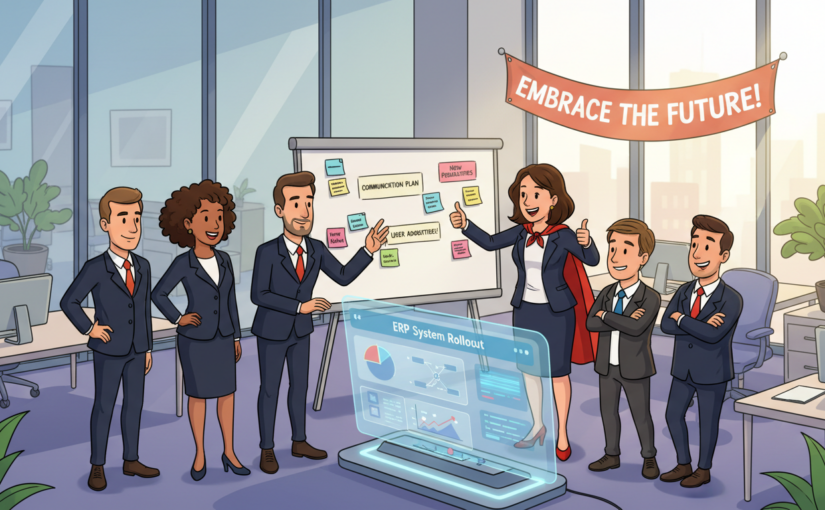
Introducing new enterprise software is more about people than technology. ERP change management is key to a smooth transition. We focus on how it affects our team’s psychology for lasting success.
We tackle these issues early to ensure a productive and collaborative rollout. We aim to turn potential obstacles into shared success. Good ERP change management keeps our team motivated and in line with new goals.
Key Takeaways
- Human behavior is the most critical factor in software success.
- Addressing psychological impacts reduces resistance during transitions.
- Collaboration is essential for a smooth system rollout.
- Proactive communication helps align teams with new organizational goals.
- Focusing on people ensures higher adoption rates for new technology.
Understanding ERP Change Management
Many organizations overlook the biggest challenge in system rollouts: changing the culture. While setting up the system is crucial, focusing on people is just as important. This ensures the new software helps the company grow, not hinder it.
Definition of ERP Change Management
ERP change management is about moving a team or whole company to a new way of working. It’s about getting ready, supporting, and guiding employees through these changes. We make sure everyone knows their role and the big picture.
Good change management focuses on a few key things:
- Clear Communication: Keeping everyone in the loop about the new system.
- Stakeholder Alignment: Making sure everyone is working towards the same goals.
- Cultural Readiness: Checking if the company is ready for new ways of working.
- Continuous Feedback: Making sure concerns are heard and acted on.
Importance of Effective Change Management
Starting a new system without a plan can lead to trouble. ERP change management helps avoid these problems. It makes sure everyone is on board and ready for change.
By focusing on people, we make sure the system sticks around for the long haul. We turn challenges into chances to get better. This is what makes a digital transformation successful, not just a technical fix.
The Role of Employee Engagement
A good software adoption strategy values the opinions of those who use the tools every day. When we let our team help with the transition, they become more than just observers. They become key players in making the change work smoothly.
Why Employee Involvement Matters
Getting staff involved early can really reduce stress at work. When they know why we’re changing, they’re more likely to accept the new tech. This openness helps them feel like they own the change, which is key for success.
By asking for feedback before we start, we catch issues that might otherwise be missed. This teamwork makes sure our software adoption strategy fits with how our departments really work. A happy team is better at handling big changes.
Techniques for Boosting Engagement
We use special ways to keep our team excited about the change. Things like town halls, workshops, and feedback sessions help a lot. These show that we really care about what they think and want them to grow.
Here’s a table showing some key ways we boost engagement:
| Engagement Method | Primary Benefit | Implementation Frequency |
|---|---|---|
| Interactive Workshops | Hands-on skill building | Bi-weekly |
| Feedback Surveys | Identifying hidden concerns | Monthly |
| Peer Champion Program | Localized support | Continuous |
| Town Hall Meetings | Transparency and vision | Quarterly |
By using these methods all the time, we keep our software adoption strategy focused on people. Empowering our team makes them see change as a chance, not a problem.
Identifying Resistance Factors
Finding out why people resist change is key to a good software adoption strategy. When we bring in new tools, employees might feel lost. We can stop small issues from becoming big problems by listening to their concerns.
Common Reasons for Employee Resistance
Most resistance comes from a fear of the unknown. Employees might think new tech will make their skills useless or add to their work. If we don’t explain why we’re changing, they might stick to old ways.
Another big issue is feeling unsupported. If our team feels pushed to change without help, they’ll resist. A strong software adoption strategy needs clear communication to ease these worries.
Recognizing Signs of Resistance
Resistance isn’t always obvious. We might see subtle behavioral cues like a drop in productivity or less team participation. These signs show our team is struggling.
We need to watch for these signs to act fast. The table below shows the difference between active and passive resistance. This helps our leaders know how to tackle these issues.
| Type of Resistance | Primary Indicator | Impact on Project |
|---|---|---|
| Active Resistance | Verbal complaints or refusal to use tools | High visibility, requires immediate dialogue |
| Passive Resistance | Procrastination or “forgetting” to log in | Slows adoption, harder to track |
| Disengagement | Silence and lack of feedback | Long-term risk to system ROI |
By watching these signs, we can improve our software adoption strategy. Spotting these early helps us adjust our approach. This way, everyone feels ready for the new tools.
Communication Strategies for Smooth Transition
Clear communication is crucial for a successful B2B IT rollout. When we introduce new systems, employees often worry about their daily tasks. Being open and honest helps reduce their anxiety and builds trust.

Crafting the Right Message
We must explain the “why” behind the change clearly. Just announcing a new software isn’t enough. We need to show how it solves problems and boosts productivity. When team members see the strategic value, they’re more likely to support the change.
Our messages should address the specific worries of each department. We focus on the long-term benefits rather than just the tech details. This helps everyone’s goals align with the company’s during a complex B2B IT rollout.
Channels for Effective Communication
Choosing the right medium is key. We use various channels to reach every part of the business. Relying on just one, like email, can lead to missed updates.
We suggest a multi-channel strategy for better engagement:
- Town Hall Meetings: Great for leadership to share the vision and answer questions live.
- Internal Intranet Portals: A central place for docs, FAQs, and project timelines.
- Departmental Briefings: Smaller sessions for deeper discussions on how the B2B IT rollout affects specific workflows.
By using different channels, we make sure everyone feels informed and supported. Consistent, accessible communication keeps the momentum going and ensures no one feels left out during the transition.
Training and Support Programs
Helping your team learn new skills is key to a digital transformation. When we bring in new systems, we make sure everyone is ready. A solid software adoption strategy helps everyone grow, not just feel overwhelmed.
Key Components of Effective Training
We focus on enterprise software training that’s more than just how to use it. We create modules for each role, so everyone learns what they need. This way, they get up to speed faster and with less confusion.
Our training also includes hands-on practice and interactive simulations. This lets people try out the software without fear of failure. It’s crucial for them to feel confident and competent in the new system.
Peer Support Systems
Training is better with the help of colleagues. We set up “super-user” networks where experienced staff help newcomers. This support system makes learning stick and builds a team that works well together.
“The most effective way to ensure long-term success is to empower employees to help one another navigate the complexities of new technology.”
Having a trusted peer to ask questions to boosts confidence. This social aspect of enterprise software training means answers come fast and best practices spread easily.
| Training Method | Primary Benefit | Implementation Level |
|---|---|---|
| Interactive Workshops | Hands-on skill building | High |
| Peer Mentorship | Increased confidence | Medium |
| Digital Documentation | Quick reference access | Low |
Leadership’s Role in Change Management
When we start a big change, our leaders set the tone. A successful digital transformation needs more than new tech; it needs a mindset shift from the top. When executives get involved, everyone feels more secure.
Inspiring Trust and Confidence
Change can make people anxious because they don’t know what’s coming. Leaders who are transparent and accessible help ease these worries. By showing the right behaviors, managers show they’re all in on the new approach.
Trust grows when leaders face challenges head-on instead of hiding them. We tell our management teams to keep talking openly. This way, every worker feels valued and safe, which is key for keeping things running smoothly during big changes.
Setting the Vision for Change
A clear vision guides the whole company. Without a shared goal for digital transformation, people might not see their role in the future. We focus on explaining how these changes help everyone.
Sharing our long-term goals helps us all work together. This clear direction reduces confusion and keeps everyone on track. Strong leadership keeps the vision alive in every conversation, reminding us of our shared path.
Testing and Feedback Mechanisms
A successful B2B IT rollout needs us to find errors before they affect everyone. We see this step as a key safety net that keeps our operations running smoothly. By testing our tech in a controlled way, we lower the chance of big problems.
Importance of Pilot Testing
We start by picking a small group of users to test the new system. This pilot phase lets us see how the software works in real life. Spotting potential problems early is key for a smooth change.
In this stage, we look for hidden tech issues that might not show up in a lab. We see these as important lessons rather than failures. This way, our final rollout is strong and works well for all teams.
Gathering Feedback from Employees
We make sure our early users are involved. We use surveys and open forums to get their honest thoughts on the system. This feedback loop is crucial for a smooth B2B IT rollout.
We listen to our staff’s specific issues with the new system. By fixing these problems during the pilot, we build more confidence across the company. This teamwork ensures the final system really meets our team’s needs.
Addressing Concerns and Misunderstandings
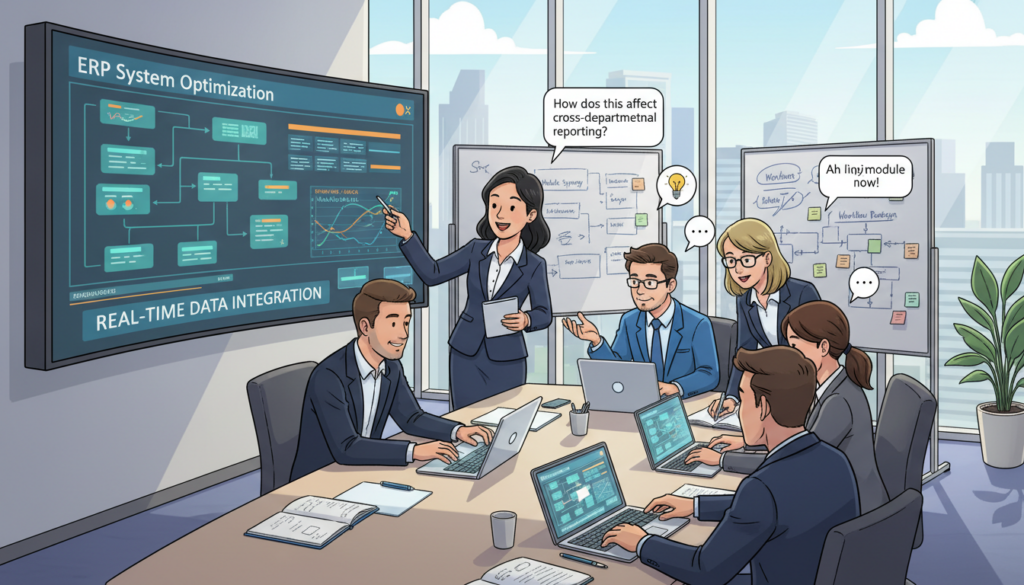
Successful transitions start with honest, two-way communication. When we introduce new tools, hidden fears can stop progress if ignored. We make sure our team feels heard and valued.
Enterprise software training is more than just teaching. It’s about understanding the human side of change. We watch for confusion and offer support when needed.
Active Listening Techniques
To really get what our employees are going through, we listen actively. This means putting our own thoughts aside and focusing on theirs. We use special ways to show we get their concerns:
- Reflective Summarizing: We repeat what the employee said to make sure we got it right.
- Open-Ended Questioning: We ask questions that help employees share more about their issues.
- Empathetic Validation: We show we get why change is hard, making it feel less overwhelming.
Clarifying Misconceptions
Uncertainty can spread fast when teams worry about their roles. We tackle these rumors head-on to avoid anxiety and resistance. Our enterprise software training sessions are key for clearing up myths.
Sharing clear, factual info helps keep morale steady. Here’s how we tackle common misconceptions:
| Common Misconception | The Reality | Our Action |
|---|---|---|
| The software will replace my job. | The tool automates tasks to free up your time. | Provide clear role descriptions. |
| Training is too complex to learn. | We offer modular, step-by-step support. | Schedule hands-on practice sessions. |
| Management is not listening to us. | We value your feedback for improvements. | Host regular Q&A town halls. |
By tackling these issues directly, we keep morale high and stop misinformation. We’re dedicated to supporting our staff as they learn new ways of working.
Celebrating Small Wins
Changing to a digital transformation is not just about tech updates. It’s about the people making the change. The path to a new system is long and tough. But, by celebrating our progress, we make the journey better for everyone.
Recognizing Employee Contributions
When we highlight what each person and team does, we boost success. Positive reinforcement helps staff feel confident in new ways. Every bit of help, from learning a new skill to solving a problem, is important.
It’s good to give specific, timely thanks for these efforts. When people feel appreciated, they’re more committed to the digital transformation. This makes a big project feel more achievable and rewarding.
Building Momentum Through Celebrations
Small celebrations keep us going during big changes. They remind us of our goals and give us a sense of achievement. Teams that celebrate together stay strong, even when things get tough.
Here’s a table with ways to celebrate progress in your digital transformation:
| Recognition Method | Impact on Morale | Best Use Case |
|---|---|---|
| Public Shout-outs | High | Team meetings |
| Peer-to-Peer Awards | Medium | Daily collaboration |
| Milestone Badges | High | System training completion |
| Project Completion Lunch | Very High | Major phase rollout |
By using these methods, our digital transformation stays a team effort. Consistency makes sure everyone feels valued and part of our success.
Measuring Success and Adjustments
Success in a B2B IT rollout is not by chance. It comes from careful measurement. We know that what we measure, we manage. This is especially true in the complex world of enterprise software adoption.
By setting up a clear way to evaluate, we keep our project on track. We make sure it meets our main business goals.
Key Performance Indicators (KPIs)
We track important metrics to see how our rollout is doing. We look at system uptime, error rates, and how fast we solve problems. This tells us about the technical side.
We also check how often users log in and use the new tools. This shows us if our teams are using the tools well in their work.
These quantitative insights help us spot problems early. We have a dashboard that shows us these key areas in real-time. This keeps everyone informed and confident during the B2B IT rollout.
| Metric Category | Primary KPI | Business Impact |
|---|---|---|
| Technical Health | System Uptime | Ensures operational continuity |
| User Adoption | Active Daily Users | Validates software integration |
| Support Efficiency | Ticket Resolution Time | Reduces employee frustration |
| Project Progress | Milestone Completion | Maintains strategic alignment |
Adapting Strategies Based on Results
We make decisions based on data. If a department is having trouble, we change our support plan. We might offer more training or add more mentors.
By always checking our results, we stay flexible and responsive to business needs. This cycle of measuring, learning, and adjusting is key to our B2B IT rollout success. We see every piece of data as a chance to get better and improve our employees’ experience.
Long-Term Change Sustainability
Changing for the better is a long journey that doesn’t stop after enterprise software training ends. The real value comes when new ways of doing things become part of our daily life. By focusing on making things better over time, we stay ahead in our field.
Creating a Culture of Continuous Improvement
We grow by encouraging small, steady improvements in how we work. Treating continuous learning as a normal part of work lets employees improve their skills. This way, we keep getting better even after the first enterprise software training is over.
We listen to feedback from those who use our systems every day. We act on their ideas to keep our work up to date. This makes our temporary fixes into permanent organizational strengths.
Preparing for Future Changes
Being ready for change is key in a world that’s always changing. We stay flexible and our team adapts easily. Our ongoing enterprise software training keeps everyone ready for new ideas.
We see change as a never-ending journey, not just a one-time thing. We document our wins and challenges to guide future efforts. This way, we stay quick, confident, and ready for anything.
Conclusion: Embracing Change for Success
Successful growth in organizations depends on how we help our teams through big changes. Learning to manage ERP changes makes sure everyone is ready for our business’s future.
Every new technology is a chance to get better together. By focusing on digital transformation, we build a strong base for lasting success and new ideas.
We focus on our team members who make our work every day. We give them the tools and support they need to handle these changes confidently.
We want to hear about your experiences with these strategies. Your input helps us improve our ERP change management in every department.
We’re excited to reach new heights together. Let’s keep talking openly and working towards our goals as we keep growing digitally.