Modern businesses face a big challenge. They need to balance quick service with growth. Deciding between specialized tools or wide platforms is key.
Choosing the right B2B helpdesk CRM is crucial for top-notch daily work. In this article, we dive into the main differences between these two types. Our aim is to help you pick the best technology for your service needs.
We want to help your team make a smart choice. Understanding your software’s purpose is the first step to better service. Let us help you navigate these powerful tools for your business’s success.
Key Takeaways
- Understand the fundamental differences between specialized support platforms and comprehensive management suites.
- Identify which features are most critical for your specific enterprise service requirements.
- Learn how to align your software choice with long-term organizational growth goals.
- Discover the impact of integrated data on your overall customer experience strategy.
- Gain a clear roadmap for optimizing your existing support infrastructure for better efficiency.
Understanding B2B Helpdesk CRM
When dealing with other businesses, every interaction is more critical. Unlike consumer support, which handles many simple issues, B2B needs a deeper approach. We use B2B helpdesk CRM systems to manage both simple tickets and long-term client relationships.
What is B2B Helpdesk CRM?
B2B helpdesk software is a platform for managing complex client relationships. It treats each client as a whole, not just an individual. It offers a place where support teams can track account history and ongoing needs.
This integration of CRM and ticketing ensures no detail is missed. It helps teams provide proactive service, not just solve problems. It’s the difference between answering a question and building a partnership.
Key Features of B2B Helpdesk Solutions
A good B2B helpdesk software does more than just handle emails. It should allow teams to work together, like shared inboxes and internal notes. This way, everyone has the same information, avoiding misunderstandings.
Also, it’s important to support clients through various channels. Whether it’s phone, email, or a portal, the system should show all interactions in one timeline. Here’s how it differs from standard support:
| Feature | Standard B2C Support | B2B Helpdesk CRM |
|---|---|---|
| Relationship Focus | Transactional | Strategic/Long-term |
| Data Visibility | Individual Ticket | Account-wide History |
| Team Collaboration | Limited | High (Shared Inboxes) |
| Integration | Basic | Deep CRM/ERP Sync |
Importance of Helpdesk CRM in B2B
Keeping high-value clients happy requires precision and consistency. In complex business settings, clear communication builds trust. As one expert said:
“In the world of B2B, your support team is not just solving problems; they are the guardians of your brand’s reputation and the primary drivers of client retention.”
Using a dedicated B2B helpdesk CRM helps us scale while keeping a personal touch. It automates routine tasks and gives deep insights into account health. This lets our teams focus on delivering great value to our partners.
Benefits of B2B Helpdesk CRM Systems
Managing complex B2B relationships needs more than basic email tools. Moving to a dedicated platform lets us track interactions with precision. This change helps our teams focus on proactive service excellence, not just reacting to problems.
Improved Customer Satisfaction
A strong CRM ticketing system is key to our support. It keeps every inquiry in one place, ensuring no request is missed. This is crucial for keeping trust with our high-value clients.
When clients see their issues logged and tracked, they trust us more. We get higher satisfaction scores because our team gives consistent, timely updates during the fix.
Streamlined Communication
Effective SLA management is vital for B2B support. It sets clear expectations for how fast we respond and solve problems.
Automating these workflows keeps our team on track with agreements. This setup brings many benefits to our daily work:
- Automated alerts for deadlines.
- Clear order for urgent client issues.
- Less manual work for routine tasks.
- Consistent service, no matter the time zone.
Enhanced Reporting and Analytics
For any manager, data insights are key to improving team performance. With a top-notch CRM ticketing system, we spot issues that slow us down.
We track trends like common problems or busy times. Using SLA management reports, we adjust our team size to meet demand. This keeps our support quality high as our business grows.
Full-Suite CRM: The Comprehensive Solution
When your business grows beyond simple ticketing, a full-suite CRM is key. These platforms offer a unified ecosystem that connects all customer touchpoints. They give you a 360-degree view of your clients, beyond basic support.
Key Features of Full-Suite CRMs
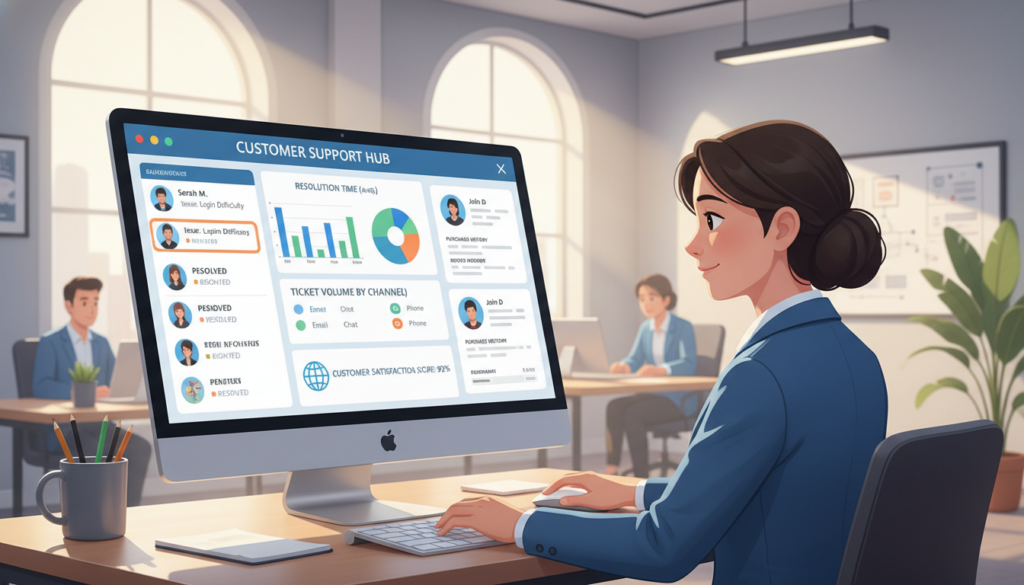
A strong CRM ticketing system is at the heart of these platforms. It lets your team track interactions from various channels in one place. This way, no request is missed, no matter how complex.
These systems also excel in customer service automation. They automate tasks like ticket routing and updates. This frees up your team to focus on what really matters to your clients. This boost in focus greatly increases team productivity.
Advantages of Using Full-Suite CRMs
The main benefit of a full-suite solution is the elimination of data silos. When support, sales, and marketing teams share the same data, they offer a consistent experience. This leads to faster issue resolution and new growth opportunities.
Also, these systems have advanced reporting features that simple tools lack. You can analyze trends, measure performance, and forecast needs with unparalleled accuracy. This data helps leaders make informed decisions that impact the bottom line.
Integration with Other Business Tools
Modern businesses use a variety of software to operate well. A full-suite CRM integrates smoothly with your existing tools like accounting, marketing, and sales platforms. This ensures your financial data and customer history are always up-to-date.
By centralizing your operations, you cut down on manual data entry and errors. This streamlined workflow helps your organization grow efficiently. Choosing a comprehensive system is a smart investment in your company’s future.
Comparing Helpdesk and Full-Suite CRM
Many businesses find it hard to tell the difference between a helpdesk and a full-suite CRM. Both aim to improve customer experience but in different ways. Knowing the difference is key to building a strong support system.
Choosing the right B2B helpdesk CRM helps your team handle tickets well. On the other hand, a full-suite CRM is a central place for all customer interactions. It’s a crucial client retention tool that makes sure every interaction is documented and useful.
Key Differences Between Helpdesk and CRM
A helpdesk focuses on reactive support, aiming to solve tickets fast. It’s great at organizing incoming requests.
A full-suite CRM, however, gives a complete view of the customer journey. It tracks sales, marketing, and support history in one place. This is essential for teams aiming to boost revenue.
| Feature | Helpdesk System | Full-Suite CRM |
|---|---|---|
| Primary Focus | Ticket Resolution | Customer Lifecycle |
| Data Scope | Support Interactions | Sales, Marketing, Support |
| Best For | High-Volume Support | Complex B2B Accounts |
| Integration | Limited to Support | Enterprise-Wide |
Which System Suits Your Business Needs?
Choosing depends on your business size and growth goals. For managing lots of technical queries, a B2B helpdesk CRM is best. It ensures fast and efficient service.
But for cross-departmental work, a full-suite CRM is better. It helps account managers track support issues. Picking the right system supports your growth.
Popular B2B Helpdesk CRM Solutions
Finding the right support software can be tough. We’ve picked three top platforms that are key B2B helpdesk CRM solutions for businesses today. Each one has special features that help keep your customers happy and loyal.
Zendesk: A Leadership Choice
Zendesk is a top choice for growing businesses. It has lots of features, like support across many channels and smart analytics. It makes sure every customer gets help they need.
Freshdesk: User-Friendly Features
Freshdesk is great for teams that value simplicity and quick setup. It makes complex tasks easy with its automation and clean design. Many teams use it to keep their service high without needing to learn a lot.
Help Scout: For Smaller Teams
Help Scout focuses on a personal touch in email support. It’s ideal for small teams that handle lots of messages. It shows that a B2B helpdesk CRM can be simple yet effective in building loyalty.
| Platform | Best For | Key Strength | Primary Use Case |
|---|---|---|---|
| Zendesk | Large Enterprises | Scalability | Omnichannel Support |
| Freshdesk | Mid-sized Teams | Automation | Workflow Efficiency |
| Help Scout | Small Businesses | Personalization | Email-based Support |
Choosing the right client retention tool depends on your team size and needs. Think about your current workflow to find the best fit for your future growth.
Full-Suite CRM Solutions Worth Considering
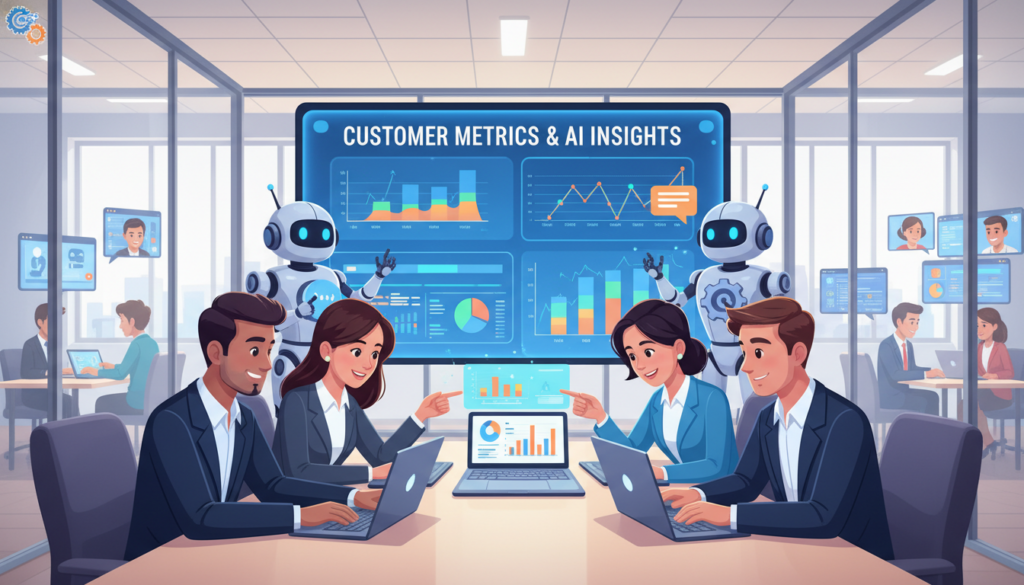
Comprehensive CRM systems give you a complete view of your customers. They connect different departments by centralizing data. This way, teams can understand the whole client journey, not just support tickets.
These platforms are key client retention tools. They keep all interactions, from sales to support, in one place. This helps teams meet needs and solve problems before they become big issues.
Salesforce: Customization at Its Best
Salesforce is a top pick for businesses needing complex workflows. It lets you customize everything, making it perfect for big companies. Its wide range of integrations with other apps is unmatched.
HubSpot: Marketing and Support Combined
HubSpot connects marketing and support smoothly. This means your support team knows about your client’s marketing history. It’s a great way to keep your brand consistent while solving problems.
Zoho CRM: Cost-Effective and Powerful
Zoho CRM is great for growing businesses. It offers lots of customer service automation features without costing a lot. These client retention tools are easy to use, so your team can focus on building relationships.
| Platform | Primary Strength | Best For |
|---|---|---|
| Salesforce | High Customization | Large Enterprises |
| HubSpot | Marketing Synergy | Growth-Focused Teams |
| Zoho CRM | Value for Money | Small to Mid-Sized Businesses |
Implementation Best Practices
Switching to B2B helpdesk software is a big step. It needs a careful plan. Many forget the prep work, causing problems later. A solid plan ensures your new tools help your team and clients right away.
Setting Goals for Your CRM/Helpdesk
First, decide what success means for you. Pick specific KPIs that match your goals. This focus helps your team stay on track during the change.
Setting clear SLA management rules is key. This sets response and fix times, keeping everyone accountable. Setting these rules early avoids confusion and makes sure every issue gets the right attention.
Training Your Team effectively
Good tech needs good users. We stress the need for detailed training that goes beyond just using the software. Your team must see how it fits into their daily tasks to work better.
Start with a few power users to learn and share with others. This method boosts learning and use of the B2B helpdesk software. When your team is confident, they serve your customers better.
Continuous Improvement Strategies
The work doesn’t stop after launch. Continuous improvement keeps your support team strong. Always check your data to find and fix problems.
Update your SLA management based on feedback. This lets your team meet changing customer needs. Treating your support system as a growing asset leads to lasting success. Use the table below to follow your progress.
| Phase | Primary Action | Expected Outcome |
|---|---|---|
| Planning | Define KPIs | Clear success metrics |
| Training | Role-based workshops | High user adoption |
| Execution | SLA configuration | Consistent response times |
| Review | Performance audits | Process optimization |
Common Challenges and How to Overcome Them
Getting a better support system can face technical and human hurdles. The goal of better efficiency is real, but it needs a smart plan to avoid common problems.
Data Migration Difficulties
IT teams often struggle most with moving old data to a CRM ticketing system. Data is often scattered, making it hard to transfer without losing or messing it up.
First, do a detailed check of your current database before you start moving data. Cleaning your data by getting rid of duplicates and old records makes the move easier.
User Adoption and Engagement Issues
Even the best software won’t work if people don’t use it. People naturally resist change, especially if they’re used to old ways of doing things.
To beat this, get the people who matter most involved in choosing the new system early. Offer comprehensive training sessions and show how the new tool saves time. This helps people see the value and use it more.
Scaling with Your Business
As your customer base grows, so must your support team. Good SLA management is key to keeping up with more requests.
Set up automatic rules to make sure no ticket is missed. Use advanced reports to spot problems early and adjust your team to handle more work.
| Challenge | Primary Impact | Mitigation Strategy |
|---|---|---|
| Data Migration | Information loss | Pre-migration audit |
| User Adoption | Low productivity | Hands-on training |
| SLA Management | Missed deadlines | Automated alerts |
Future of B2B Customer Support Technologies
The world of client relations is changing fast. Digital expectations are growing. Modern tools are changing how companies handle their service operations.
Trends Shaping Helpdesk CRM
Today’s B2B helpdesk software focuses on predictive insights, not just reacting to tickets. Companies are moving to platforms that guess what clients need before they ask. This approach helps build stronger, lasting partnerships.
The Role of AI and Automation
AI and automation are freeing up human agents from boring tasks. They can now focus on solving tough problems and managing accounts. Bots handle simple questions quickly and accurately, something humans can’t do as well.
Predictions for B2B Support Innovation
We see a future where support data and product development work together closely. Systems will offer personalized experiences thanks to machine learning. Choosing the right technology now is key to growing in this changing market. It’s time to review your current tools and adopt new ones to stay competitive.