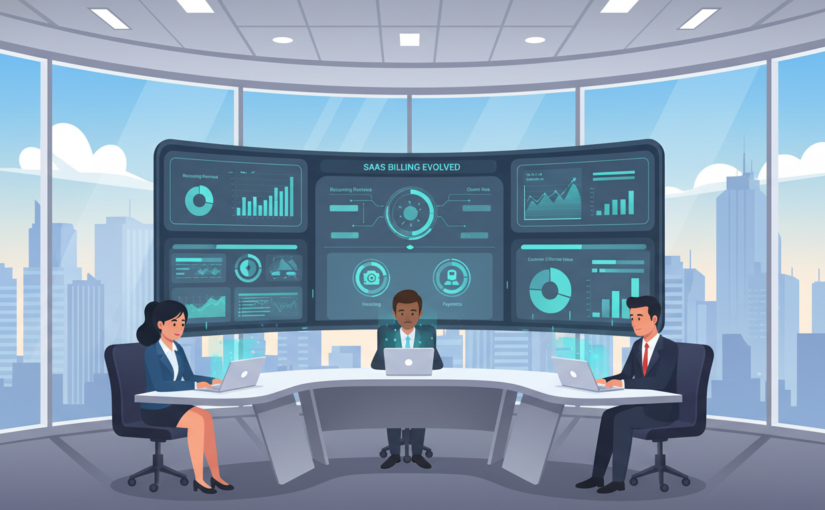
Modern businesses face unique challenges when they switch to recurring income models. Managing these complex financial streams needs more than basic accounting tools. Companies must use a strong Subscription billing ERP to automate processes and cut down on errors.
We aim to guide you through the digital world by linking financial operations with modern tech. By using a specialized recurring revenue ERP, your company stays agile and competitive. Efficiency is key to long-term success in the SaaS world.
Integrated software is crucial for your growth. The right modules empower your team to innovate, not get bogged down by admin tasks. Let’s see how these systems boost operational excellence and lasting success.
Key Takeaways
- Recurring revenue models need special financial automation to grow.
- Modern software cuts down on manual work and errors in accounting.
- Being agile in a competitive market relies on quick financial data.
- Integrated modules help teams focus on growing the business and innovating.
- Choosing the right system is vital for long-term operational efficiency.
Understanding Subscription Billing in ERP Systems
The backbone of a successful subscription model is a strong financial setup. As companies move to recurring revenue, they need a subscription billing ERP. These systems manage complex financial data without constant manual checks.
What is Subscription Billing?
Subscription billing charges customers regularly for products or services. It replaces one-time sales with ongoing revenue. A subscription billing ERP ensures accurate and timely invoices every month.
Importance of Subscription Billing in SaaS
SaaS companies rely on these systems for managing many transactions. Without automation, managing thousands of accounts would be a big challenge. A reliable subscription billing ERP lets teams focus on product development, not payment issues.
Key Challenges Faced by Businesses
Many struggle with revenue loss due to billing system issues. Complex billing, like mid-cycle upgrades, is hard to handle manually. It’s crucial to integrate these workflows into a single platform for financial health.
| Feature | Manual Billing | Automated ERP Billing |
|---|---|---|
| Data Entry | High Error Risk | Zero Manual Input |
| Scalability | Very Limited | Highly Scalable |
| Revenue Tracking | Delayed Reporting | Real-Time Insights |
| Compliance | Difficult to Audit | Automated Compliance |
Understanding these concepts helps businesses meet modern subscription management needs. Consistency and accuracy are key when using these financial tools. Companies that focus on these integrations see better cash flow efficiency.
Essential Features of Subscription Billing ERPs
The success of a subscription-based company depends on its financial management technology. To stay ahead, moving from manual spreadsheets to integrated platforms is key. These platforms handle complex revenue cycles with great precision.
Recurring Invoice Management
Manual billing can lead to errors and delayed revenue. Subscription billing software ensures accurate statements on time. This keeps your clients trusting and loyal.
Automated invoicing saves time by reducing data entry. It lets your finance team focus on growth. This is a key part of SaaS accounting.
Automated Payment Processing
Smooth payment collection is crucial for recurring revenue. Integrating payment gateways into your ERP makes checkout easier. Customers like the ease and security of automated payment processing.
- Reduced churn through automated retry logic for failed payments.
- Improved security protocols for sensitive financial data.
- Instant reconciliation of incoming funds against outstanding invoices.
Real-Time Financial Reporting
Knowing your financial health is essential. Real-time financial reporting lets leaders track important metrics anytime. This helps in making quick, informed decisions.
| Feature | Manual Process | ERP Integration |
|---|---|---|
| Invoice Generation | High Error Risk | Fully Automated |
| Payment Collection | Slow/Delayed | Instant/Secure |
| Data Visibility | Lagging Reports | Real-Time Analytics |
| Accounting Sync | Disconnected | Seamless SaaS Accounting |
Top ERP Solutions for Subscription Billing
We looked at three top platforms for managing complex billing cycles. Picking the right subscription billing ERP is key for businesses wanting to grow their recurring income.
These systems are great at handling lots of transactions and are very flexible. Each one has special benefits for making financial tasks easier.
Oracle NetSuite
Oracle NetSuite is a top choice for fast-growing companies. It has all the tools needed for managing subscriptions from start to finish.
It’s known for being scalable, so businesses can easily add new income sources. Its financial tools handle complex billing quickly and accurately.
SAP Business One
SAP Business One is great for small to mid-sized businesses. It integrates well with current operations and gives a clear view of financial data across departments.
It helps keep data accurate while managing ongoing income. It’s perfect for companies looking for stability and following global standards.
Zoho Subscriptions
Zoho Subscriptions is known for its easy-to-use interface and strong automated invoicing. It makes billing easier by cutting down on manual work and errors.
It also has advanced dunning management tools for handling failed payments. This helps keep cash flow steady and reduces customer loss.
| Platform | Primary Strength | Best For |
|---|---|---|
| Oracle NetSuite | Enterprise Scalability | Large Organizations |
| SAP Business One | Process Integration | Mid-sized Businesses |
| Zoho Subscriptions | Automated Invoicing | Agile SaaS Teams |
Choosing the right system depends on your growth goals and needs. Look for platforms that offer seamless integration and support your billing needs well.
The Role of Customer Relationship Management
Today’s businesses do well when they use customer relationship management tools with their financial systems. This creates a complete view of the customer journey. It makes sure every interaction is tracked, from the first contact to the renewal of contracts.
Integrating CRM with ERP Systems
Connecting these platforms is key for better operations. It removes errors and keeps data in one place. This is crucial for SaaS accounting to ensure revenue is recorded correctly.
Automating contract details into billing engines helps teams focus on strategy. This integration gives both sales and finance a clear view of finances. It keeps financial transparency across all subscription levels.
Enhancing Customer Engagement
Deep integration leads to a more personalized service. Support teams can quickly solve issues with billing history and subscription status. This builds trust and loyalty.
We use this data to send personalized messages. Whether it’s an upgrade offer or a payment reminder, it feels valued. Enhanced engagement leads to better retention in competitive markets.
Tracking Customer Behavior
Watching how users interact with our services warns us of potential churn. By analyzing CRM data, we can spot underutilized subscriptions. This lets our success teams act before a cancellation.
These insights also reveal upsell opportunities among active users. Linking these metrics to SaaS accounting helps us grow while keeping costs low.
| Feature | CRM Benefit | ERP Benefit |
|---|---|---|
| Data Synchronization | Real-time lead updates | Automated billing accuracy |
| Churn Prevention | Usage pattern tracking | Proactive contract renewal |
| Revenue Growth | Targeted upsell campaigns | Optimized pricing models |
Customization in Subscription Billing Modules
Customization is key for SaaS companies to meet their unique needs. Many start with standard tools but soon find they need to tailor subscription billing software to fit their business model. This ensures their financial operations stay flexible as they grow.
Why Customization Matters
Every SaaS company has its own pricing, trial periods, and renewal cycles. Standard systems often can’t handle these complex needs. Customizing your subscription billing software lets you automate complex workflows, saving time and effort.
“The true power of an ERP system is not found in its default settings, but in its capacity to evolve alongside the specific needs of the business it serves.”
Examples of Customizable ERP Solutions
Many top platforms let developers create custom extensions. For example, Oracle NetSuite’s SuiteCloud platform lets teams tailor billing to fit their industry needs. SAP Business One also offers add-ons for managing large transactions accurately.
These platforms enable us to add custom billing cycles to our financial reports. This ensures our data stays accurate, even with complex pricing strategies.
| Platform | Customization Level | Primary Benefit |
|---|---|---|
| Oracle NetSuite | High | Advanced Scripting |
| SAP Business One | Medium-High | Modular Scalability |
| Zoho Subscriptions | Medium | API-Driven Flexibility |
The Balance Between Customization and Standardization
It’s crucial to find a balance between custom features and standard systems. Too much customization can make updates hard. We keep basic accounting standard and use custom code for unique advantages.
This balanced approach keeps your system stable and easy to maintain. We focus on standardization for compliance and reporting. At the same time, we use customization to innovate and stay ahead in the subscription market.
Reporting and Analytics in Subscription Billing
The best companies focus on data to grow. They use subscription billing software to turn data into useful insights. This helps leaders make smart choices.
Importance of Data Analytics
Data analytics is key for subscription businesses. It shows how well you’re doing financially. Real-time insights let us change plans fast when needed.
Good analytics keep everyone on the same page. This makes teamwork better. It also helps everyone work together better.
Key Metrics to Track
We need to watch certain numbers to see how we’re doing. These numbers help us guess how we’ll do in the future. Here are the main numbers to keep an eye on.
| Metric | Definition | Business Impact |
|---|---|---|
| MRR | Monthly Recurring Revenue | Predicts predictable cash flow |
| CLV | Customer Lifetime Value | Determines long-term profitability |
| Churn Rate | Percentage of lost customers | Highlights retention challenges |
Tools for Enhanced Reporting
Today’s subscription billing software has cool tools for showing data. These tools help us make dashboards that show important trends. They make it easy to see patterns in data.
These systems also help us predict the future. We can try out different plans to see how they might work. The right tools are crucial for growing in a tough market.
Managing Cash Flow with Subscription Billing
Switching to recurring revenue models changes how we manage cash flow. Unlike one-time sales, where money comes in right away, subscription billing spreads it out. This means we need to watch our finances closely to keep up with costs.
How Subscription Models Affect Cash Flow
With subscriptions, cash flow is steady but takes longer to build up. We have to deal with the timing gap between spending on customers and when we get paid. Keeping customers for the long haul is key to making the most of each account.
Small payment delays can add up quickly, leading to cash problems. A recurring revenue ERP helps by showing us when money is coming in. This lets us plan our spending better.
Strategies for Improved Cash Flow Management
One good way to keep our finances healthy is through dunning management. When a payment fails, we should quickly tell the customer and try again later. This helps us keep the money coming in.
Offering different ways to pay also helps. Options like credit cards, ACH, or digital wallets make it easier for customers to pay. Here’s a table with some key tips for better financial health:
| Strategy | Primary Benefit | Implementation Level |
|---|---|---|
| Automated Dunning | Reduces Churn | High |
| Flexible Billing Cycles | Improves Retention | Medium |
| Real-time Reconciliation | Increases Accuracy | High |
Using ERP for Cash Flow Forecasting
Today’s financial tools are more advanced than spreadsheets for planning. A recurring revenue ERP lets us make accurate forecasts based on past trends. This helps us know when to invest in growth.
Good forecasting helps us spot cash problems early. We can try out different scenarios to see their effects on our money. Mastering these financial controls is crucial for steady growth.
Compliance and Security in Subscription Billing
Modern SaaS providers must navigate complex regulatory landscapes. Our SaaS accounting processes must meet global standards to protect user data. Building a secure infrastructure is key to earning customer trust.
Identifying Regulatory Requirements
Businesses in the subscription space face many legal hurdles. Rules like GDPR and PCI-DSS are crucial for keeping operations safe. Not following these can lead to big fines and damage to reputation.
We must set up our systems to follow these strict rules. Keeping up with laws helps us avoid risks. Proactive monitoring lets us quickly adjust to legal changes.
Ensuring Data Security
Protecting financial data needs a strong tech and policy setup. We use top encryption for data safety. We also have strict access controls to keep billing records safe.
| Security Standard | Primary Focus | Business Impact |
|---|---|---|
| PCI-DSS | Payment Card Data | High (Required for processing) |
| GDPR | User Privacy Rights | High (Legal compliance) |
| SOC 2 | Operational Security | Medium (Trust building) |
Best Practices for Compliance
Keeping a secure environment is more than just software. It’s about consistent internal processes. Dunning management is a key area, where automated retries must keep payment tokens safe. We use automated audit logs to track all SaaS accounting interactions.
Regular security audits are a big part of our plan. They help us find and fix vulnerabilities before they become problems. Following these best practices keeps our billing operations safe and compliant.
Customer Success and Subscription Billing
When customer success teams see billing cycles, they turn every talk into a chance to grow. They break down walls between money data and client care. This lets them act with exactness. Every chat is filled with up-to-date, accurate info.

Aligning Customer Success Teams with ERP
Success managers get direct access to automated invoicing and payment history. This changes support calls. They can spot payment issues or subscription problems right away.
Teams know an account’s financial health. They can plan their outreach better. Data-driven insights help them make personal check-ins. This builds trust and shows they care about the customer’s success.
Building Long-Term Relationships
Long-term loyalty comes from smooth experiences. Integrating ERP with customer success platforms removes billing hassles. Customers like it when reps know their billing history and contract details.
This setup also spots accounts at risk early. Teams can offer special deals or support. This turns billing issues into positive touchpoints that show the value of working together.
Case Studies of Successful Implementation
Many companies have cut churn by using these workflows. For example, a top SaaS provider saw a 20% boost in retention. They gave their success team full access to automated invoicing logs. This led to better billing queries and a higher Net Promoter Score.
Another company used ERP-linked dashboards to track subscription health. This made renewals more efficient. These stories show that the right tools help teams grow sustainably. The table below shows the improvements seen in these cases.
| Metric | Manual Workflow | Integrated ERP Workflow |
|---|---|---|
| Issue Resolution Time | 48-72 Hours | Under 2 Hours |
| Billing Accuracy | Moderate | High (Automated Invoicing) |
| Customer Retention | Baseline | 15-25% Increase |
| Team Productivity | Low | High |
Future Trends in Subscription Billing ERP
Modern businesses need to look ahead to stay competitive. They must use the latest tools for managing finances. This includes a strong recurring revenue ERP.
Innovations in Financial Technology
New technologies are changing enterprise software. Machine learning will predict when customers might leave. This helps your ERP handle billing better than ever before.
The Power of Intelligent Automation
Artificial intelligence is making accounting easier. It automates simple tasks, freeing your team to focus on big ideas. This keeps your ERP up-to-date and useful.
Prioritizing the User Experience
The focus is now on making customers happy. Billing needs to be flexible and tailored to each user. Check if your systems meet these new standards. Adapting now will prepare you for future financial challenges.