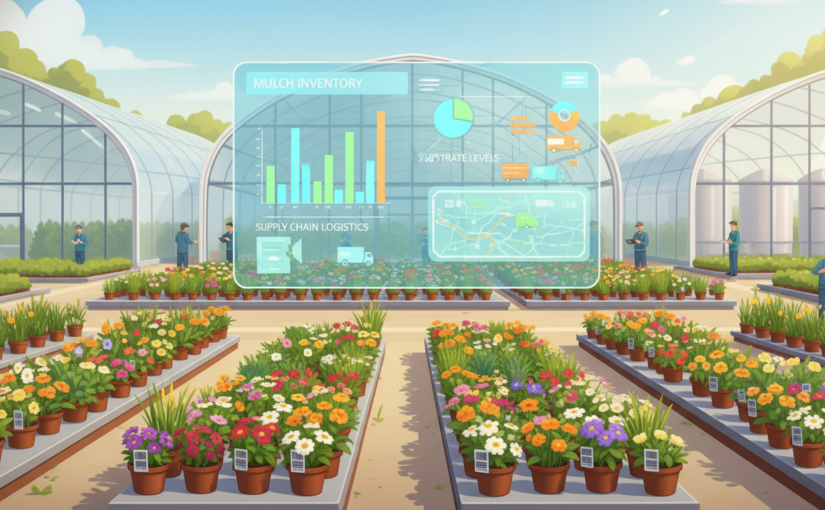
Running a modern nursery is more than just growing plants. It’s about managing inventory with precision. Tracking mulch and substrates is key to keeping plants healthy. A Commercial nursery ERP gives us full control over our growth media.
Digital tools help us automate buying and cut down on waste. With a robust Commercial nursery ERP, our teams get the right materials on time. This tech supports big plant production in the U.S., keeping us ahead in a tough market.
Key Takeaways
- Technology is essential for managing complex horticultural inventory.
- Precise tracking of mulch and substrates prevents production delays.
- Digital tools help automate procurement and reduce material waste.
- Modern software solutions support large-scale plant production needs.
- Data-driven management ensures consistent growth media availability.
Understanding the Role of ERP in Commercial nurseries
Running a nursery today needs more than just a green thumb. It requires a strong digital system. Spreadsheets can’t handle the complexity of growing many plants. A Commercial nursery ERP is like the brain of our nursery, keeping track of every plant and supply.
Definition of ERP
ERP stands for Enterprise Resource Planning. It’s the foundational software that brings all parts of our business together. It’s the main source of truth for our buying, selling, and logistics. This software helps us manage our data in one place, making our work smoother.
Importance of an Integrated System
The agricultural supply chain is always changing, thanks to seasons and market shifts. An integrated system connects our different departments. This keeps our stock levels in line with what we expect to sell.
Breaking down information silos lets us make quick, informed decisions. This visibility helps us avoid wasting money on too much stock or missing sales. Here’s how integrated systems beat manual tracking.
| Feature | Manual Tracking | Integrated ERP |
|---|---|---|
| Data Accuracy | Low (Human Error) | High (Automated) |
| Inventory Updates | Delayed | Real-Time |
| Departmental Sync | Disconnected | Unified |
| Scalability | Limited | High |
Key Features for Nurseries
To succeed, our software needs special tools for horticulture. We look for systems with automated inventory tracking and batch management for unique substrates. These tools help us track our products from start to finish.
A Commercial nursery ERP helps us use our resources better. It keeps our data in one place, so our team can focus on plant care and quality. This is key for growing our nursery in today’s agricultural supply chain.
Specialized Mulch and Substrates Overview
We know that the health of every plant starts with its growing environment. Choosing the right materials is key, not just for looks. It’s a crucial part of running a nursery well. By using the same materials, we make sure our plants get the care they need to grow well.
Types of Specialized Mulch
Mulch is a protective layer that keeps soil temperature right and stops weeds. We use organic mulches like pine bark or cedar chips. These improve soil as they break down, keeping it moist.
On the other hand, inorganic mulches like gravel or landscape fabric last longer. They’re great for areas that get a lot of foot traffic. The right mulch depends on the plant and the local weather.
Varieties of Substrates
We have many growing media to match different plants. Substrates like peat moss, perlite, and vermiculite help with drainage and air. Keeping track of our substrate inventory is crucial, especially when we’re busy planting.
Good supply management lets us create the perfect soil mix for our plants. This avoids problems like too much water or not enough nutrients. A well-organized substrate inventory is essential for our success.
Applications in Plant Growth
The success of our plants depends on using the right media. For example, cocofiber tracking helps us see how different batches absorb water and grow roots. This lets us tweak our formulas for better growth.
We think making decisions based on data is the secret to a successful nursery. With cocofiber tracking, we learn how substrates affect our plants’ health over time. This careful approach means every plant we sell is top-notch.
Benefits of Using ERP for Tracking Supplies
Modern ERP systems change how nurseries manage their key materials. They bring digital tools into daily work, giving managers the insight to make fast decisions. This move from paper spreadsheets to digital tools helps manage resources better.
Real-Time Inventory Management
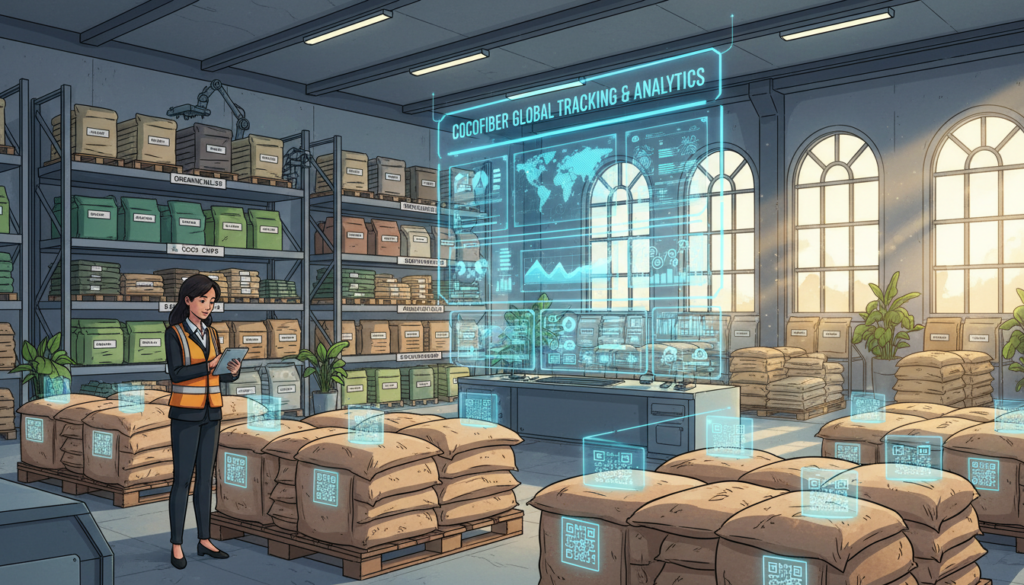
Keeping stock levels right is key to avoid delays. Our teams use cocofiber tracking to watch stock levels in real time at different greenhouses. This accuracy cuts down the chance of stockouts that can mess up planting plans.
Enhanced Forecasting Capabilities
Guesswork is out when you use past data. Our tools help us understand past growth to manage substrate inventory better. This way, we make sure we have the right materials ready for the busy season.
Streamlined Ordering Process
Too much time is spent on paperwork instead of plant care. Our ERP makes buying supplies easier by automating when to order more. With cocofiber tracking, we order automatically, saving hours of manual work. This lets our team focus on quality rather than paperwork.
Selecting the Right ERP System for Your Nursery
Choosing a commercial nursery ERP needs a deep understanding of your needs. This software is a big investment that affects your growth and efficiency. Look for systems that handle horticultural data well and can grow with your business.
Key Features to Look For
When checking out a commercial nursery ERP, focus on systems with good inventory tracking. You need to see stock levels in real-time to avoid shortages. Automated reporting tools are key for tracking plant health and growth cycles.
Compatible ERP Providers
Not all software is made for the green industry’s needs. Look for providers who know horticulture and seasonal changes. A good commercial nursery ERP partner offers support and modules for nurseries, not just retail or manufacturing.
Cost Considerations
When budgeting for a new system, think about more than the initial cost. Consider implementation fees, subscription costs, and training for your staff. Remember, the long-term return on investment from reduced waste and better labor efficiency is worth it.
| Criteria | Essential Requirement | Scalability Potential |
|---|---|---|
| Inventory Tracking | Real-time substrate monitoring | High |
| Implementation Cost | One-time setup fees | Moderate |
| Subscription Model | Monthly or annual tiers | High |
| Support Services | Horticulture-specific help | High |
Implementing ERP in Your Nursery Operations
Switching to a new digital system is a big step for any large-scale plant nursery. We know it’s a big change. It needs a thoughtful and structured approach to avoid problems. With a clear plan, your team can smoothly move to a modern, integrated system.
Steps for Successful Implementation
The first step is careful data migration. This makes sure your current records are right. Then, we suggest thorough system testing to find any issues before you start using it fully. This step helps make sure the software fits your needs perfectly.
The last step is the go-live process. Try to do it when things are quiet. A phased rollout is often best. It lets your team get used to the new system bit by bit. Keeping things consistent during this time is key to keeping work flowing smoothly.
Training Your Staff
Technology works best when people know how to use it. We focus on training that fits each role in your large-scale plant nursery. When your team feels confident with the new tools, they’re more likely to accept the change.
“The only way to make sense out of change is to plunge into it, move with it, and join the dance.”
Hands-on training and easy-to-use guides help your team learn fast. By investing in your team’s skills, you make sure they know how the system helps them. Empowerment through knowledge is key to a successful change.
Best Practices for Adoption
Set up a way for your team to share feedback and ideas. This keeps communication open and helps solve problems early. Regular checks on how the system is working will also help improve your workflows over time.
Also, celebrate the small victories along the way. A large-scale plant nursery that encourages innovation will find technology becomes a natural part of its growth. Stay patient and keep going, and you’ll see the full benefits of your investment.
Impact on Supply Chain Efficiency
Digital integration changes how we manage the agricultural supply chain. It moves us from manual tracking to precise synchronization. This makes us quicker to respond to market needs and keeps materials flowing smoothly.

Reducing Lead Times
One big plus of an integrated system is faster delivery times. We use automated systems to keep our substrate inventory always ready. This stops delays caused by sudden shortages.
Good communication with vendors is key. When we share real-time data, suppliers can meet our needs before we ask. This seamless exchange of information cuts down on delays in getting what we need.
Improving Supplier Relationships
Being open builds trust with our partners. Sharing accurate data with vendors creates a reliable partnership. This makes them more likely to prioritize our orders.
Stronger ties mean better deals and consistent service. Treating suppliers as partners gets us better prices and support. This teamwork is crucial for a strong agricultural supply chain.
Minimizing Waste
Tracking materials closely cuts down on waste. By monitoring our substrate inventory closely, we use everything efficiently. This stops over-ordering and waste from expired materials.
We spot where materials are wasted or used too much. Optimizing resource allocation saves money and supports green practices. Data-driven choices help us get the most from our investments in growing media.
Case Studies of Successful ERP Implementation
A large-scale plant nursery can grow a lot by using modern ERP systems. Looking at real examples shows how digital tools solve big challenges. These stories help other businesses update their supply chain and production.
Leading Nurseries with Proven Results
Many top nurseries have seen big improvements after switching to integrated software. For example, those that automated their inventory tracking saw a big jump in production. This is because they cut down on mistakes and used resources better.
When managers can see everything from start to finish, costs often go down. A large-scale plant nursery that tracks everything in real-time wastes less. This lets teams focus on plants, not paperwork.
Lessons Learned from Real-World Applications
Success isn’t just about installing software; it’s about changing how you work. Early adopters say training staff well is key. Nurseries that involve their team early face less trouble during the change.
It’s also smart to start small, not big. Tackling one area at a time helps find and fix problems without stopping everything. This keeps things running smoothly while the new system gets used to.
Innovations Driven by ERP
ERP systems help nurseries keep getting better and stay ahead. They let managers use past data to guess future needs better. This way, nurseries can make new products based on what customers really want.
| Metric | Before ERP | After ERP |
|---|---|---|
| Inventory Accuracy | 75% | 98% |
| Waste Reduction | 12% | 4% |
| Order Processing Time | 48 Hours | 6 Hours |
| Large-scale plant nursery Yield | Baseline | +20% |
Future Trends in Commercial Nursery ERP
The agricultural supply chain is changing fast. Old ways are being replaced by smart, data-based systems. These changes help nurseries stay strong and flexible in a changing world.
Automation and AI Integration
Modern nurseries use automation for tasks that need precision. By adding artificial intelligence to our ERP, we can manage inventory and irrigation better. This lets our team focus on important horticulture work.
AI gives us insights we couldn’t get before. It looks at past data to predict when we’ll need more staff or equipment. This makes our operations more efficient and quick to respond.
Data Analytics for Enhanced Decision-Making
Data is key in modern nursery management. We use advanced analytics to understand plant growth and resource use. This helps us make smart choices that boost our profits.
- Predictive Modeling: Guess plant demand based on seasons.
- Resource Optimization: See exactly how much we use in substrates and fertilizers.
- Performance Benchmarking: Compare growth in different greenhouse areas.
Analytics help us spot problems early. This way, we can use our resources better. It helps us grow more and make more money.
Sustainability and Eco-Friendly Practices
Sustainability is now a big part of the agricultural supply chain. ERP systems help us track our environmental impact. We can see how much water and waste we produce, and our carbon emissions.
Going green is good for the planet and for business. Customers want to buy from nurseries that care about the environment. By showing our green efforts, we gain trust and loyalty.
Conclusion: Embracing ERP for Nursery Growth
Using digital software changes how a big plant nursery handles complex supply chains. It’s clear that moving from manual tracking to automated systems is better.
Core Benefits of Digital Integration
Having one system gives managers the view they need to grow. They can keep track of mulch and substrate levels well. This stops shortages during busy planting times.
Moving Toward Future Success
Success comes from always learning and using new digital tools. We urge every big plant nursery to focus on these upgrades. This will help them stay profitable in the long run.
Building a Foundation for Excellence
Choosing the right systems now sets you up for growth later. Your team will work better and waste less. We think using these new tools is the best way to stay ahead in the horticulture world.