
In the fast-paced world of institutional finance, success is not just about quick trades. We think that modern desks need a smart way to connect complex market data with personal service.
Firms must use an Algorithmic trading CRM to stay ahead. This tech is key for managing complex financial relationships well.
We focus on how special software meets the needs of high-net-worth portfolios. By focusing on HNW client management, we make sure every interaction is informed by data and precise operations.
Key Takeaways
- Institutional desks need integrated tech to stay competitive.
- Modern software must balance automated trades with personal oversight.
- Good management systems are crucial for complex, high-value portfolios.
- Data-driven insights enhance service quality for wealthy clients.
- Efficiency in operations leads to happy clients and keeps them coming back.
What is Algorithmic Trading CRM?
In the fast world of finance, standard sales tools often don’t cut it. An algorithmic trading CRM connects automated trading systems with the complex needs of investors. It’s a bridge between tech and human touch.
This software links complex trading systems with the personal touch of client management. It makes sure every trade is supported by clear, direct communication.
Definition and Key Features
This tech is a central hub for data-driven talks. It’s different from usual platforms because it focuses on real-time data integration and automated reports. This keeps up with market changes.
“Technology is best when it brings people together, especially in the high-stakes environment of institutional trading where clarity is the ultimate currency.”
It has automated dashboards and instant updates for portfolios. These features give us immediate transparency to our partners. They stay informed at every trade stage.
Importance in Institutional Trading
Institutional firms need these techs to stay ahead in fast-changing markets. By focusing on algorithmic trading clients, we help make better decisions. This builds trust and loyalty over time.
These platforms help us manage big portfolios quickly and accurately. By focusing on algorithmic trading clients, we turn data into a strategic tool. This is key to our success in finance.
The Role of CRM in Trading Desk Operations
A modern trading desk CRM is like the brain of a trading desk. It brings together different data into one place. This helps firms avoid the mistakes that come from using many different systems.
With this change, teams can keep all information in one place. This makes sure everyone is on the same page, no matter how complex the market is.
Enhancing Client Communication
Good communication is key for managing algorithmic trading clients. We use new systems to replace old emails. These systems give updates on how portfolios are doing in real time.
These platforms keep a record of all talks. This meets both internal checks and outside rules. It helps firms quickly answer client questions before they turn into big problems.
Streamlining Trading Processes
Trading can be slow because of too much work. A trading desk CRM makes things smoother. It automates simple tasks and makes sure trades match what clients want.
By automating some work, traders can focus on making big decisions. This is crucial for algorithmic trading clients who need fast and accurate trades. The right technology helps manage risks and get good results in a tough market.
Key Benefits of Using a CRM for Trading Desks
Using a dedicated platform helps firms connect complex data with clear strategies. A trading desk CRM lets teams move past manual errors. This is key for growing operations while keeping service quality high.
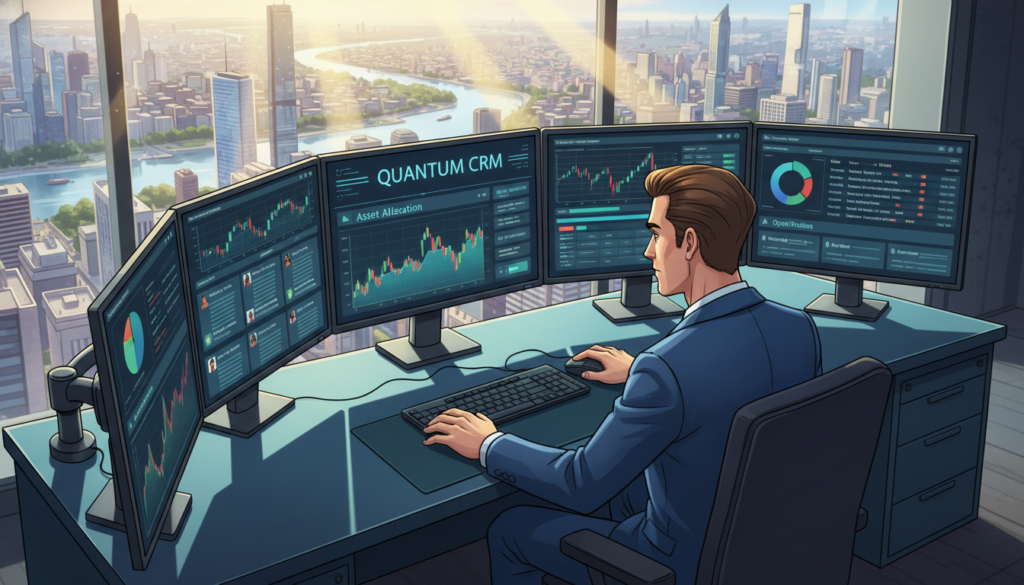
Increased Efficiency
Speed is crucial in today’s markets. A strong financial CRM automates tasks like logging trades and updating records. This lets traders focus on analysis, not paperwork.
Streamlined workflows make desks more agile. Teams report quicker responses in volatile markets. This is vital for managing big portfolios.
Better Data Management
Managing scattered data is a big challenge. A financial CRM brings all data into one place. This removes barriers to making decisions.
With better data, reports and compliance tracking are more reliable. No more juggling spreadsheets. This clarity is key for growth and managing risks.
Enhanced Client Insights
Advanced analytics give us deeper insights into clients. We can see their behavior and portfolio performance. This lets us meet their needs before they ask.
This proactive approach strengthens client relationships. It builds trust that lasts.
The following table shows how a trading desk CRM beats manual methods:
| Feature | Manual Management | CRM-Integrated |
|---|---|---|
| Data Access | Siloed and slow | Centralized and instant |
| Reporting | Prone to human error | Automated and accurate |
| Client Insights | Limited/Reactive | Deep/Proactive |
| Scalability | Very low | High |
Essential Features of an Algorithmic Trading CRM
A top-notch algorithmic trading CRM does more than just store contacts. It must offer specialized tools for high-frequency trading. These tools help manage complex client portfolios with unparalleled precision.
Trade Monitoring and Reporting
Real-time visibility is key for effective trade management. Our top systems have live dashboards for tracking performance across various assets. This lets managers spot issues quickly and adjust strategies to avoid risks.
Automated reporting keeps high-net-worth clients informed. With advanced wealth management software, firms can create detailed reports easily. Key features include:
- Real-time alerts for execution slippage or latency issues.
- Automated daily, weekly, and monthly performance reports.
- Customizable audit trails for regulatory compliance.
Portfolio Management Tools
Managing high-net-worth portfolios needs more than just tracking balances. Sophisticated wealth management software lets managers compare holdings against benchmarks accurately. This ensures trades meet clients’ long-term goals.
These tools offer the depth needed for optimizing asset allocation. By integrating these features into an algorithmic trading CRM, teams can run complex scenarios. This proactive approach helps manage market risks and boost client returns.
Customization and Scalability
Every firm has unique workflows and needs. A rigid system can hold back growth. We stress the importance of platforms that can be customized to fit specific needs.
Scalability is crucial too. As your client base grows, your algorithmic trading CRM must handle more data without losing speed or reliability. A flexible architecture ensures your technology remains a strategic asset as your firm grows.
Choosing the Right CRM for Your Trading Desk
Finding the perfect trading desk CRM is about mixing technical power with user experience. Choosing the right software is key to modernizing your operations and growing in the long run. By carefully choosing, you can find a platform that meets your strategic goals.
Evaluating Your Specific Needs
Before picking a vendor, do a detailed check of your current gaps. Find out which manual processes slow you down and where data is stuck. Efficiency is crucial for any firm, so look for features that save time and money.
When looking at your needs, consider these points:
- Scalability: Can the system grow with your clients?
- Workflow Automation: Does it cut down on repetitive tasks?
- Data Accessibility: Is data available in real-time to all team members?
Comparing Different CRM Solutions
After knowing what you need, compare the options in the market. Look beyond the surface to see if the provider is reliable for the long term. A good trading desk CRM should fit well with your current systems.
Use the table below to compare vendors based on important metrics:
| Feature | High Priority | Medium Priority |
|---|---|---|
| Integration Capabilities | Essential | Optional |
| Vendor Support | 24/7 Dedicated | Standard Business Hours |
| Security Compliance | Institutional Grade | Basic Encryption |
Your choice should focus on vendor support and stability. A good partner will keep your system updated and help with trading complexities. By focusing on these, your trading desk CRM will be a valuable tool for years.
How CRM Enhances Client Relationship Management
We think that modern wealth management software connects complex data with real client connections. In the fast-paced world of institutional trading, strong, lasting partnerships are key. They make the difference between leaders and followers.

Building Trust with High-Net-Worth Clients
Trust is crucial in the financial world, especially with big assets. For HNW client management, being open and keeping in touch is essential. It’s the foundation of every good interaction.
“The ultimate goal of any financial partnership is to align the firm’s expertise with the client’s unique vision for their future.”
We use a central system to keep track of every interaction. This ensures that promises are kept and clients feel secure. It shows they’re in good hands with their portfolios.
Personalizing Client Interactions
Going beyond general updates is key for keeping high investors engaged. We use data to create tailored investment stories that match each client’s goals.
Good wealth management software lets us sort client likes and past performance accurately. This helps our teams offer advice ahead of time, not just after the fact. Here’s how we improve the client experience:
- Customized Reporting: We give insights that focus on the assets that matter to the client.
- Behavioral Analysis: We guess what clients might need based on their past actions and market responses.
- Strategic Alignment: We make sure every message supports the client’s long-term financial goals.
Our dedication to HNW client management is about more than just numbers. It’s about creating a reliable base that supports clients through all market changes. This ensures their happiness and our success.
Integrating CRM with Trading Platforms
To see your client’s financial journey clearly, you need to link your CRM and trading systems well. When these systems don’t talk to each other, it’s hard to manage data and miss chances. Using wealth management software helps tie everything together for a better work flow.
Benefits of Seamless Integration
Connecting these systems cuts down on how long it takes for data to update. When your CRM gets trade logs in real-time, your team knows what’s happening with clients right away. This connection means every talk with clients is based on the latest info.
Also, it makes trade logs more accurate. No need for manual entry means less chance of mistakes. This is key for keeping up with what institutional clients expect.
“Technology is best when it brings people together and simplifies complex workflows into intuitive, actionable insights.”
Challenges to Consider
While the benefits are clear, getting started can be tough. Moving old data to a new wealth management software needs careful planning. If data doesn’t match up, it can mess up your day-to-day work.
Another big challenge is making sure systems work together. Many big desks use special platforms that don’t easily connect with standard CRM tools. To tackle these issues, here’s what to do:
- Conduct a thorough audit of your current data setup before starting the move.
- Prioritize API-first solutions for easy and flexible connections between systems.
- Implement a phased rollout to check data quality in a small test group before going full speed.
By tackling these tech hurdles early, you can make the switch to a fully connected tech stack smoothly. This way, your team can focus on what’s most important: giving your clients top-notch service.
Data Security and Compliance in CRM Solutions
In the world of finance, keeping client data safe is key. A financial CRM must protect this information well. Without strong security, firms could lose money and trust from clients.
Protecting Sensitive Client Information
Cyber threats change fast, so we use many defense layers. We focus on encryption protocols and multi-factor authentication. These steps help keep your financial CRM safe from digital attacks.
We also do regular security checks to find and fix weak spots. By controlling who can see client data, we keep it safe. This is a big part of our promise to keep data secure.
Meeting Regulatory Requirements
In the U.S., following financial rules is a must. A good financial CRM makes this easier by automating reports and keeping records. We see these rules as important for our firm’s legal standing.
Not following these rules can cause big problems. By adding compliance features to our work, we make sure everything is legal. A secure system keeps our clients safe and helps us stay strong in the market.
Real-World Applications of CRM in Trading
Real-world success stories show the power of CRM in trading. They show how HNW client management works in practice. These stories prove that technology is key to growth, not just a tool.
Case Studies from Institutional Trading Firms
Big financial firms have changed their old systems to help algorithmic trading clients. For example, JPMorgan Chase uses one data platform to talk to clients faster. This lets traders share portfolio updates instantly.
Boutique investment banks also made big changes. They used cloud-based CRM to bring together scattered data. This gave them a full view of their clients’ wealth. Now, every interaction is based on the latest market info and past trades.
“The integration of sophisticated CRM tools has fundamentally changed how we engage with our most valuable partners, turning raw data into actionable intelligence.”
Lessons Learned and Best Practices
Our study shows key lessons for growing firms. First, keeping data clean is crucial. Bad data means bad insights from CRM.
Here are some tips for managing big portfolios:
- Prioritize user adoption: Make sure trading staff know how to use the CRM.
- Automate routine tasks: Let the CRM handle the boring stuff so you can focus on strategy.
- Maintain strict compliance: Check your CRM often to make sure it follows rules.
The best firms see their CRM as a living thing. They keep improving their HNW client management to stay on top. This forward-thinking is key to serving algorithmic trading clients well.
Future Trends in Algorithmic Trading CRM
The world of institutional trading is changing fast. New tech is changing how firms manage their money. It’s key to stay ahead to keep up in a changing market.
By embracing new ideas, firms can become more efficient. This can help them grow faster.
Technology Advancements Shaping the Industry
Artificial intelligence and machine learning are now key parts of a algorithmic trading CRM. They help systems understand huge amounts of data quickly. This gives traders insights they couldn’t get before.
Predictive analytics will soon let firms predict market changes. This will help them make better decisions.
Natural language processing will also change how we talk to trading platforms. It will make it easier for a financial CRM to understand complex requests. This will make the experience smoother for everyone.
Predictions for Client Management Strategies
Client management will become more proactive and based on data soon. Firms will use their algorithmic trading CRM to meet client needs before they ask. This will build trust and loyalty with wealthy clients.
A strong financial CRM will be the heart of the firm in the future. It will gather data from everywhere, giving a full view of the client’s journey. We suggest all firms invest in scalable solutions to stay ahead in the digital world.
Conclusion: Optimizing Trading with CRM
Modern finance needs a mix of fast tech and personal touch. A strong trading desk CRM connects these two. It helps manage complex trades and keeps clients happy.
Summary of Core Insights
Data-driven decisions are key for success. A good CRM centralizes communication and trade tracking. This helps teams stay ahead of market changes and build trust with clients.
Firms that use these tools well stand out in today’s fast world. They get a big advantage over others.
Strategic Implementation Steps
Success comes from your team’s willingness to change. Start by checking your current setup to make sure it works with new systems. Training your staff is crucial to make the CRM part of your daily work.
It’s time to check how you manage clients now. Talk to your tech partners to see how these systems can grow with your firm. The journey to being better starts with the right tools and a plan for growth.