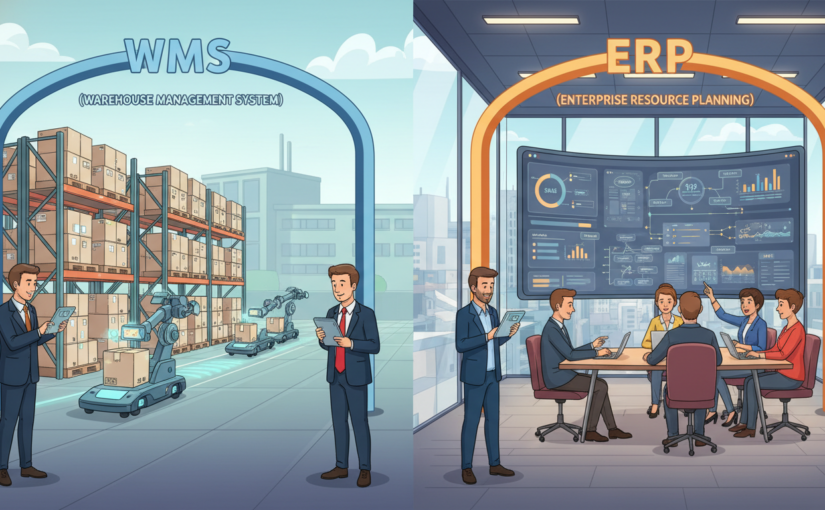
Choosing the right software is key for any growing business. Companies often face a tough decision. They must pick between a Warehouse management ERP solution and a more general platform.
It’s important to understand the differences between WMS vs ERP. This knowledge helps you choose wisely based on your business size.
The right technology choice can greatly affect your profits. We help you find the best fit for your logistics needs. This ensures your system supports your long-term goals.
Key Takeaways
- Specialized software offers deep functionality for complex inventory tasks.
- Broad platforms provide a unified view of your entire business data.
- Operational scale determines which system architecture fits your needs best.
- Integration capabilities are vital for seamless data flow across departments.
- Cost-benefit analysis helps justify the investment in new digital tools.
Understanding Warehouse Management Systems (WMS)
Managing a warehouse is more than just having space. It needs digital precision. A warehouse management software acts as the brain of your facility. It coordinates everything from receiving to shipping.
These systems automate complex tasks. This helps your team work at their best.
Key Features of WMS
These platforms are great at tracking inventory accurately. Managers can see stock levels clearly. This helps in making better decisions about restocking and fulfilling orders.
They also help use space better. By suggesting the best places to store items, they save space.
Labor management is another key part. Tasks are assigned based on where they are and their priority. This cuts down on travel time for staff. It means they can focus on important tasks, not searching for things.
Benefits of Implementing a WMS
Using a specialized system makes operations faster and more accurate. With real-time inventory tracking, you avoid the mistakes of manual counting. This leads to quicker order processing and happier customers.
The table below shows how a WMS changes things:
| Feature | Manual Process | WMS Solution |
|---|---|---|
| Inventory Accuracy | Low (prone to error) | High (real-time) |
| Space Utilization | Static/Inefficient | Dynamic/Optimized |
| Labor Productivity | Variable | Consistent/Measured |
| Order Fulfillment | Slow | Rapid/Automated |
When to Choose a WMS
Think about a WMS when manual processes slow you down. If your team is too busy fixing mistakes, it’s time for a change. Effective inventory tracking gets hard when you have too many items or orders.
Also, if you often run out of stock or have too much, a WMS can help. It gives you the control you need. Investing in this tech keeps your business competitive.
What is an Enterprise Resource Planning (ERP) System?
ERP systems are like the brain of today’s businesses. They combine finance, human resources, and procurement into one place. This gives a clear view of how well the business is doing.
Leaders can see how everything is working together. This helps them focus on the big picture, not just one part.
Core Functions of ERP
At its core, an ERP system makes key business tasks easier. It makes sure data moves smoothly between different areas. This means less chance of mistakes and more time for teamwork.
ERP systems aim to improve communication between teams.
ERP has several important parts:
- Financial Management: Handles accounting, billing, and reports.
- Human Resources: Manages payroll, hiring, and employee records.
- Supply Chain & Procurement: Looks after vendor relationships and buying.
- Inventory Tracking: Keeps track of stock levels everywhere.
Advantages of Using an ERP System
The main advantage of ERP is having one true source of information. This makes decisions quicker and more reliable. It’s key for staying ahead in a quick-changing market.
“The true power of an ERP lies in its ability to break down departmental walls and foster a culture of data-driven decision-making.”
Here’s how ERP modules help businesses:
| Module | Primary Focus | Business Impact |
|---|---|---|
| Finance | General Ledger | Improved Cash Flow |
| Inventory | Inventory tracking | Reduced Stockouts |
| Procurement | Vendor Management | Lowered Costs |
Ideal Scenarios for ERP Implementation
We suggest using ERP when your current tools can’t keep up. If your data is stuck in silos, a central system is a good fix. This is especially true for big supply chains.
Also, growing fast? Your old systems might not handle it. An ERP helps your business grow without losing control. It keeps your inventory tracking accurate as you sell more.
Key Differences Between WMS and ERP
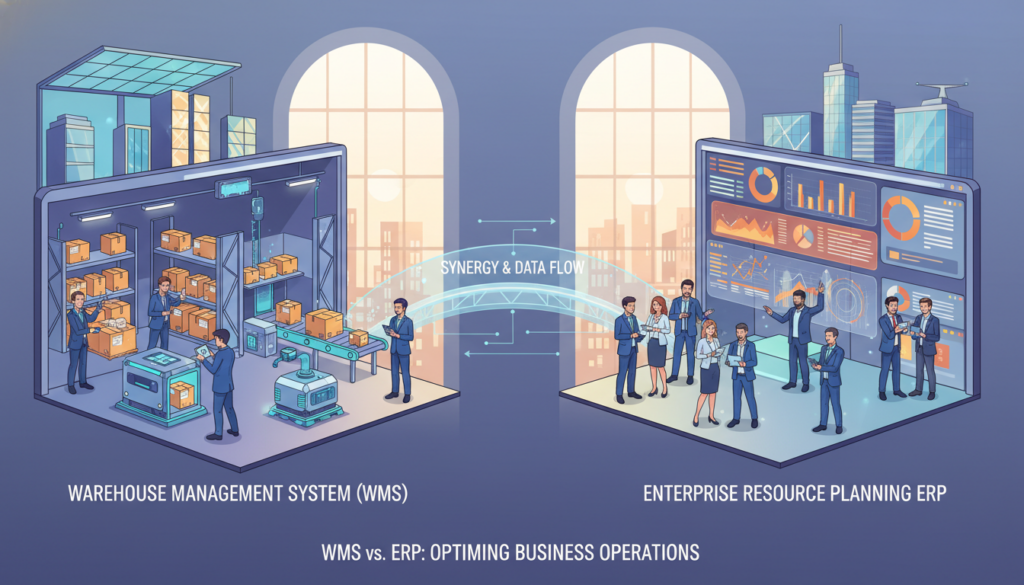
When looking at WMS vs ERP, companies face a big choice. They must decide between focusing on warehouse operations or managing the whole business. Both systems aim to boost efficiency, but they do it in different ways.
Scope of Functionality
A Warehouse Management System (WMS) is made to improve how goods move and workers work in a warehouse. It’s great at tracking items, picking them, and using space well.
An ERP system, on the other hand, is like the brain of the whole company. It connects finance, HR, buying, and sales into one place. While an ERP might have some inventory tools, it can’t match the detailed work of a WMS.
Cost Considerations
The cost of WMS vs ERP depends on how much you need it to do. A specialized warehouse tool might cost less upfront but could be more expensive later if you need custom features.
Enterprise suites are more expensive because they do so much and are complex to set up. But, they can save money in the long run by combining many software needs into one. It’s important to plan your budget carefully to make the right choice for your business.
“The decision between a specialized system and an enterprise suite is not just about price; it is about identifying which operational gaps pose the greatest risk to your growth.”
Integration and Scalability
As your business grows, being able to grow your software is key. A dedicated WMS is easy to scale in the warehouse, letting you add new places or machines.
ERP systems can grow with your whole business, helping you enter new markets or offer new products. When choosing WMS vs ERP, think about how your data needs will change as your business gets bigger.
| Feature | Warehouse Management System | Enterprise Resource Planning |
|---|---|---|
| Primary Focus | Warehouse Operations | Business-wide Integration |
| Implementation Cost | Moderate | High |
| Scalability | Facility-specific | Organization-wide |
| Core Strength | Inventory Precision | Data Centralization |
How WMS and ERP Work Together
Modern supply chain management shines when systems talk to each other smoothly. By linking your warehouse management software to a bigger platform, we make a single, powerful system. This setup lets data move freely, helping every team work from the same facts.
Benefits of Integrated Systems
Integrating these platforms means no more manual data entry. This cuts down on mistakes. Teams get real-time info, making decisions quicker. The main benefits are:
- Enhanced data accuracy across all departments.
- Improved response times to customer orders and market shifts.
- Reduced operational costs through automated workflows.
- Better resource allocation based on live performance metrics.
Synchronization Between Inventory and Finance
Keeping everything in sync is key for a healthy business. When inventory levels update the financial ledger, we have a single source of truth. This ensures financial reports match the actual stock value.
Without this connection, companies might see stock and financial discrepancies. Automating this link gives everyone confidence in their financial data. This is crucial for good cash flow and accurate taxes.
Real-World Success Stories
Many big names have improved their logistics with integrated systems. For example, large retailers manage thousands of items worldwide. They say the seamless data flow between their systems is their main edge.
Using these tools, businesses can grow without more paperwork. Companies focusing on this integration can handle demand spikes and supply chain issues better. This unity turns data into a key for lasting growth.
Choosing the Right Solution for Your Business
Finding the right Warehouse management ERP or standalone system is key to success. It’s important to understand your unique needs. A thorough audit of your current workflows is necessary to make sure your technology fits your vision.
Assessing Your Business Needs
Start by auditing your current operations to find bottlenecks. Identify where your processes fall short or cause delays. Knowing your future growth is also crucial to ensure the software grows with you.
Map out your daily tasks to see if a Warehouse management ERP meets your needs. Documenting these tasks helps you know what’s essential and what’s not.
Factors to Consider
When looking at solutions, check how well they integrate with your current technology. A system that doesn’t integrate well can add more work. Look for flexibility and ease of use to ensure your team can quickly adapt.
| Decision Factor | Primary Focus | Impact Level |
|---|---|---|
| Operational Scale | Current vs. Future Volume | High |
| Budget Allocation | Total Cost of Ownership | High |
| Integration Needs | API and Data Sync | Medium |
| User Adoption | Training and Interface | Medium |
Expert Recommendations
Our experts recommend aligning software with your long-term goals, not just immediate needs. Look for a Warehouse management ERP that grows with you. Strategic alignment keeps your technology an asset as you grow.
“The most successful implementations are those where the software is treated as a strategic partner, not just a utility.”
The Role of Automation in WMS and ERP
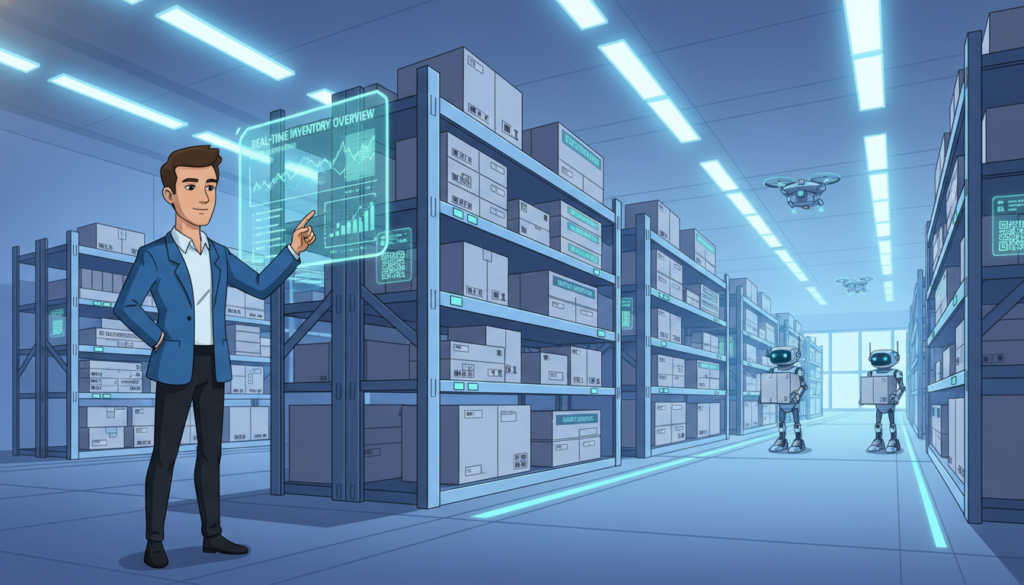
In today’s fast-paced market, automation is key for WMS and ERP platforms to excel. It changes how we manage complex logistics and data. This move helps us leave behind old manual ways and adopt a agile business model.
Streamlining Operations
Automation makes complex workflows simpler by cutting out manual delays. Tasks that took hours now take seconds. This seamless flow keeps all departments working towards the company’s goals.
Reducing Human Error
Automated systems greatly improve data accuracy. By automating inventory tracking, we avoid manual entry errors. This means our stock levels are always up to date.
Using automated inventory tracking reduces costly mistakes. These systems are a trusted source of truth. This saves our bottom line and lets our teams focus on growth.
Enhancing Efficiency
Automated workflows increase productivity by handling routine tasks. This frees our staff to work on strategic initiatives. By optimizing inventory tracking with automation, our team can contribute more to the organization.
Integrating these tools makes our supply chain smarter, faster, and more reliable. When technology handles the routine, our people can innovate. This balance is crucial for staying competitive in logistics today.
Mistakes to Avoid When Choosing Between WMS and ERP
Many organizations make mistakes when picking between WMS and ERP. They ignore the human and technical sides of their business. It’s important to know your current needs and future goals before making a choice. Rushing can lead to picking the wrong platform for your unique needs.
Overlooking Specific Business Needs
Choosing software based on popularity is a common mistake. Every warehouse has its own inventory challenges. Before picking WMS vs ERP, audit your internal processes carefully.
- Identify your most critical pain points in inventory tracking.
- Evaluate if your current hardware integrates with the new software.
- Prioritize features that directly impact your bottom line.
Ignoring Scalability
Many companies pick software that works now but can’t grow with them. If your software can’t handle more transactions, you’ll face big problems as you grow. Make sure your WMS vs ERP solution can grow with your business.
Think about your provider’s long-term plans. A system that works today might slow you down tomorrow if it can’t grow. Investing in a system that can grow with you now saves you money later.
Neglecting User Training
The best software won’t work if your team doesn’t know how to use it. We see companies focus on the tech but forget about their team. Good training is key to making the most of new software.
Empowering your staff through training helps them use the system well. When your team sees the value, they help your digital change. Don’t underestimate the time needed to train your team during the WMS vs ERP change.
Industry Trends for Warehouse Management and ERP Systems
We’re seeing big changes in how businesses handle their inventory and supply chain management. With global markets growing, we need better tools to track goods fast and accurately. Modern logistics ERP systems are leading this digital change.
The Rise of Cloud-Based Solutions
Cloud-based solutions are making top-notch software more accessible. Before, only big companies could afford logistics ERP systems because of high costs. Now, even small businesses can use these tools through subscriptions.
This change means teams can access important data from anywhere. Flexibility is now a must for staying ahead. Cloud systems keep up with the latest security and features automatically.
The Impact of Artificial Intelligence
Artificial intelligence is changing how we understand warehouse data. By adding AI to logistics ERP, managers can do more than just track. They can predict stock shortages and restock early.
Machine learning helps plan the best routes for picking and how to use labor. This smart decision-making cuts down on problems. Businesses using AI insights often do better in their daily tasks.
Future Innovations in Supply Chain Management
We’re expecting even more connection between physical and digital parts of supply chains. The future will bring autonomous robots and IoT sensors working with central systems. These will give us a clear view of every product’s journey.
Innovation is key for growth in this field. As we adopt new tech, we’ll handle market changes better. Keeping up with these trends is crucial for any business wanting to stay efficient.
Case Studies: Successful Implementations
Looking at how logistics software is used in real life shows its power. It helps us learn how to improve our own supply chains. These stories show how different tools can make businesses more efficient.
WMS Success Story
A big online store had trouble with too many orders and wrong inventory counts. They fixed this by using warehouse management software. This made their picking and packing faster and more accurate.
Thanks to the software, they could see what they had in stock right away. This meant they didn’t have to check manually as often. They could fill orders much quicker.
ERP Success Story
A medium-sized factory had trouble because their data was spread out. They chose to use an ERP system to bring everything together. This made it easier to keep track of what they had and what they needed.
By using their warehouse management software with the ERP, they got better at predicting what they would need. They also saved money by not buying too much stuff they didn’t use.
Lessons Learned from Integration Efforts
Getting digital transformation right takes more than just new tech. We’ve learned a few key things from these examples:
- Define clear objectives before picking your software.
- Make sure your warehouse management software works with your old systems.
- Focus on user training to get everyone on board.
- Think about growing and changing needs when choosing tech.
The best companies see technology as a long-term investment. By learning from these stories, we can make better choices for our own businesses.
The Future of Warehouse Management and ERP
The next five years will change how enterprise software and warehouse operations work together. We’re moving into a time where logistics ERP systems need to be more flexible. This is because digital changes are happening fast. Companies that want to lead in supply chain management must integrate advanced systems.
Emerging Technologies
New software will use robotics, IoT, and machine learning together. These tools help collect data in real-time, something we couldn’t do before. By using these technologies, businesses can create a highly responsive ecosystem. This ecosystem can predict and prevent problems before they happen.
“The future of logistics is not just about moving goods; it is about moving data with the same speed and precision as the physical inventory.”
Predictions for the Next Five Years
We expect warehouse and enterprise software to fully merge in the next five years. Most logistics ERP solutions will have AI modules that make decisions automatically. This change will let teams focus on big-picture strategies instead of manual tasks.
Predictions for the Next Five Years
Market changes will keep challenging supply chain management models. Companies that use cloud-native systems will find it easier to grow during busy times. The table below shows the expected changes in how we work over the next few years.
| Technology Focus | Current State | Future Outlook |
|---|---|---|
| Data Processing | Batch Updates | Real-time Streaming |
| System Logic | Static Rules | Predictive AI |
| Connectivity | Siloed Systems | Unified Ecosystem |
Adapting to Industry Changes
To adapt, businesses need to keep learning and be tech-savvy. We suggest checking your logistics ERP to see where you can automate more. By focusing on flexible infrastructure, you can stay ahead, no matter what the market does.
The ultimate goal is to build a strong system that supports growth over time. By embracing new ideas now, your supply chain management will stay strong in a changing world.
Conclusion: Making Your Decision
Choosing the right software architecture is key to handling growth and complexity in your business. We think aligning your specific goals with the right technology is crucial for lasting success.
Summary of Strategic Priorities
Your choice should balance your immediate warehouse needs with long-term goals. A strong Warehouse management ERP gives you a clear view of your supply chain. This integration helps remove data silos and boosts decision-making across departments.
Refining Your Technology Strategy
Focus on your unique workflows, not just following trends. A Warehouse management ERP is vital for companies growing fast. Check if a standalone tool or a full suite matches your budget and tech skills.
Taking the Next Step
Our team is here to help you through the complex software world. Contact us today for a personalized review of your business needs. We’re excited to help you achieve a more efficient and profitable future.